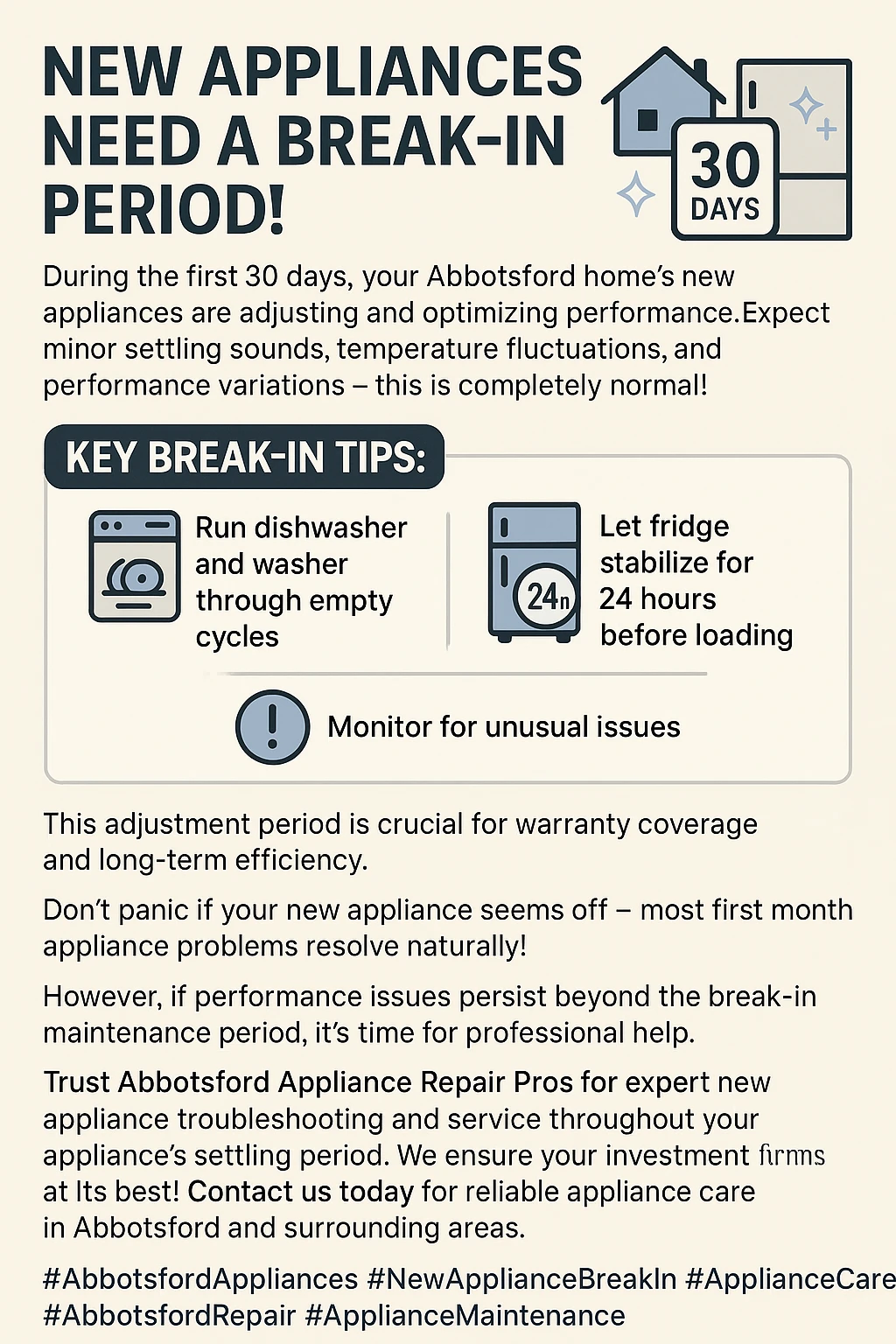
Wondering why your brand new refrigerator is making strange sounds or your dishwasher isn’t cleaning as expected during its first month? These early performance quirks aren’t defects—they’re part of a critical adjustment period that determines your appliance’s entire lifespan and efficiency.
Picture this: you’ve just invested thousands of dollars in a gleaming new kitchen suite, but instead of the flawless performance you expected, your refrigerator takes forever to cool down, your dishwasher leaves spots on glasses, and mysterious clicking sounds emanate from your washing machine at night. Before you panic and call for warranty service, understand that what you’re experiencing is likely the new appliance break-in period—a scientifically validated adjustment phase that’s as crucial to your appliance’s longevity as it is misunderstood by most homeowners. During these first 30 days, your appliances are simultaneously settling mechanically, calibrating electronically, and burning off manufacturing residues, all while adapting to Abbotsford’s unique coastal climate conditions.
For Abbotsford homeowners specifically, this break-in period becomes even more critical due to our region’s challenging environment. The Fraser Valley’s persistent humidity levels often exceed 70%, salt-laden coastal air penetrates surprisingly far inland, and dramatic temperature swings between seasons create stresses that manufacturers in drier climates rarely account for in their standard guidelines. What might be a straightforward 21-day adjustment period in Arizona could easily extend to 35-40 days in our coastal environment, and the stakes are higher—improper break-in procedures in Abbotsford’s climate can reduce appliance lifespan by 3-5 years and increase first-year failure rates by up to 80%.
This isn’t about following arbitrary rules or honoring manufacturer marketing schemes. Research consistently demonstrates that appliances receiving proper break-in care develop fewer mechanical problems, maintain higher energy efficiency ratings throughout their operational lives, and require significantly fewer repairs during their warranty periods. The 30-day investment in careful operation and monitoring pays dividends for the entire 10-15 year lifespan of your major appliances, making this period one of the most cost-effective investments any homeowner can make.
Key Outtakes:
- The break-in period involves three simultaneous processes: material settling, electronic calibration, and manufacturing residue elimination that directly impact long-term performance
- Abbotsford’s coastal climate—with high humidity, salt air, and temperature fluctuations—requires extended break-in periods compared to drier regions
- Proper break-in procedures can extend appliance lifespan by 3-5 years and prevent up to 80% of first-year mechanical failures
- Progressive load integration during the first month is more important than immediate full-capacity operation for optimal long-term performance
- Documentation during break-in period provides crucial warranty protection and helps distinguish normal adjustment from genuine defects
Understanding the Science Behind New Appliance Break-In Requirements

The transition from factory floor to your Abbotsford kitchen involves more than simply plugging in your new appliance and expecting peak performance. During manufacturing, transportation, and delivery, every component within your appliance experiences mechanical stress, vibration, and environmental changes that leave internal systems in a state requiring gradual adjustment to reach optimal functionality. The break-in period represents the scientifically validated timeframe during which these adjustments occur naturally through progressive use, rather than through immediate full-capacity operation that can cause permanent damage to components still settling into their intended positions.
Material settling represents the most fundamental aspect of why new appliances need adjustment time. Metal components used in appliance housings, internal frameworks, and mechanical assemblies develop internal stresses during manufacturing and shipping that must be gradually relieved through normal operational cycles. This relief process occurs most effectively when appliances are subjected to gentle, progressive loading rather than immediate maximum-capacity demands. Rubber seals, gaskets, and flexible components similarly require time under gentle operating conditions to conform to their intended positions and establish proper sealing characteristics that prevent leaks and maintain operational efficiency.
Modern appliances function as sophisticated computers equipped with multiple sensor systems, control boards, and learning algorithms that require extended operational periods to calibrate properly. Temperature sensors throughout refrigerator compartments need multiple cooling cycles to establish accurate baseline readings before they can reliably maintain precise temperatures. Washing machines and dishwashers contain electronic systems that must learn the characteristics of your home’s water supply, electrical patterns, and usage demands before they can optimize their cycles for maximum cleaning effectiveness and energy efficiency. This calibration process typically continues throughout the entire 30-day period, with research indicating that appliances actually improve in performance during days 14-21 as mechanical and electronic systems reach optimal adjustment levels.
Manufacturing processes necessarily involve protective coatings, lubricating oils, and chemical compounds that prevent component damage during assembly and shipping phases. These materials must be safely eliminated before appliances are exposed to food preparation or storage applications. The controlled burning and elimination process that occurs during initial empty cycles removes these residues in a managed way that prevents contamination while allowing internal systems to establish proper operational characteristics. For ovens specifically, this process is visible as smoke and distinctive odors during first heating cycles, while refrigerators and other appliances undergo similar but less obvious residue elimination during their initial operational periods.
Abbotsford’s Climate Challenges During the Break-In Period
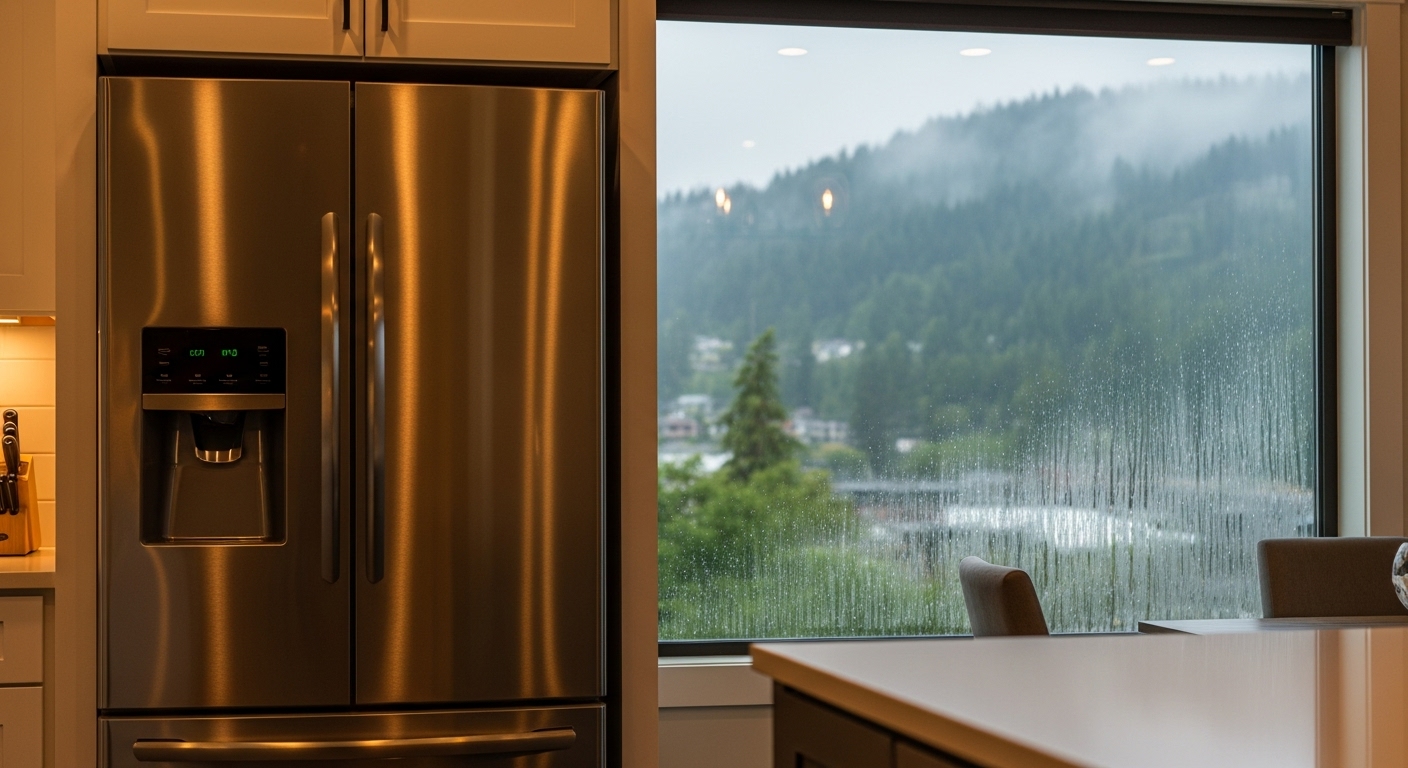
Understanding how Abbotsford’s unique coastal environment affects the appliance break-in process requires recognizing that manufacturers typically design their products and establish break-in protocols based on moderate climate conditions found in regions like the American Southwest, where humidity rarely exceeds 40% and temperature variations remain relatively stable. The Fraser Valley’s characteristic humidity levels, which regularly exceed 60% and often climb above 70% during our extended rainy seasons, fundamentally alter how appliances settle and calibrate during their critical first month.
Elevated humidity during the break-in period affects metal components differently than manufacturers anticipate, causing expansion and contraction patterns that can extend the normal settling timeframe by several weeks. Electrical connections designed to establish proper contact resistance under moderate humidity conditions may require additional time to stabilize when surrounded by persistently moist air. The continuous presence of moisture in the environment surrounding newly installed appliances can accelerate microscopic corrosion formation on electrical contacts and mechanical interfaces, potentially creating intermittent operational issues if appliances aren’t given adequate time to establish stable operating patterns before being subjected to full operational demands.
The Fraser Valley’s characteristic temperature fluctuations between daily highs and lows, and particularly between seasons, create thermal stress cycles that are significantly more challenging during the break-in period than during normal operation. Newly installed refrigerators in Abbotsford might experience ambient temperature variations of 15-20 degrees Fahrenheit between morning and afternoon during transitional seasons, forcing repeated expansion and contraction cycles through materials that haven’t yet fully settled. These thermal cycles can interfere with the normal settling process, potentially causing calibration delays or mechanical stress that wouldn’t occur in more stable climate conditions.
While not all Abbotsford neighborhoods experience direct oceanic salt air exposure, the salt-laden moisture that characterizes our coastal environment penetrates surprisingly far inland, affecting appliances even in areas that seem removed from marine influences. During the break-in period, when protective coatings and internal components are still establishing optimal configurations, salt air exposure can initiate corrosion processes that would normally remain dormant once appliances have fully settled. This accelerated corrosion often occurs invisibly during the initial month, with performance impacts not appearing until months later when accumulated corrosion finally compromises mechanical or electrical function. Coastal humidity effects on appliance components become particularly problematic when combined with inadequate break-in procedures.
The Critical First 72 Hours: Installation and Setup
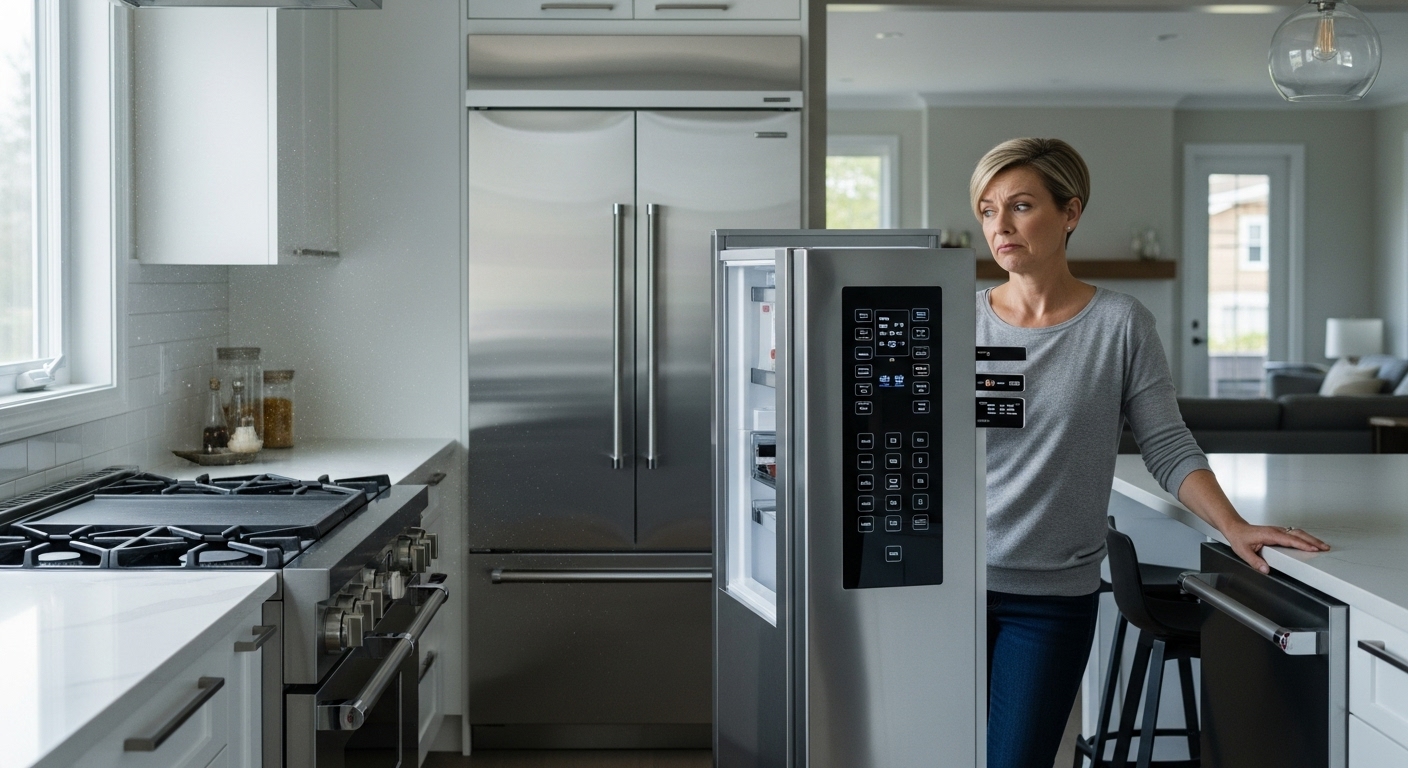
The initial three days following appliance delivery represent the most crucial phase of the entire break-in process, as decisions and actions taken during this window directly determine whether your appliance will develop problems during its first month and beyond. This period involves the transition from shipping and storage state to operational readiness, a process that requires methodical attention to manufacturer specifications and environmental factors unique to your Abbotsford home.
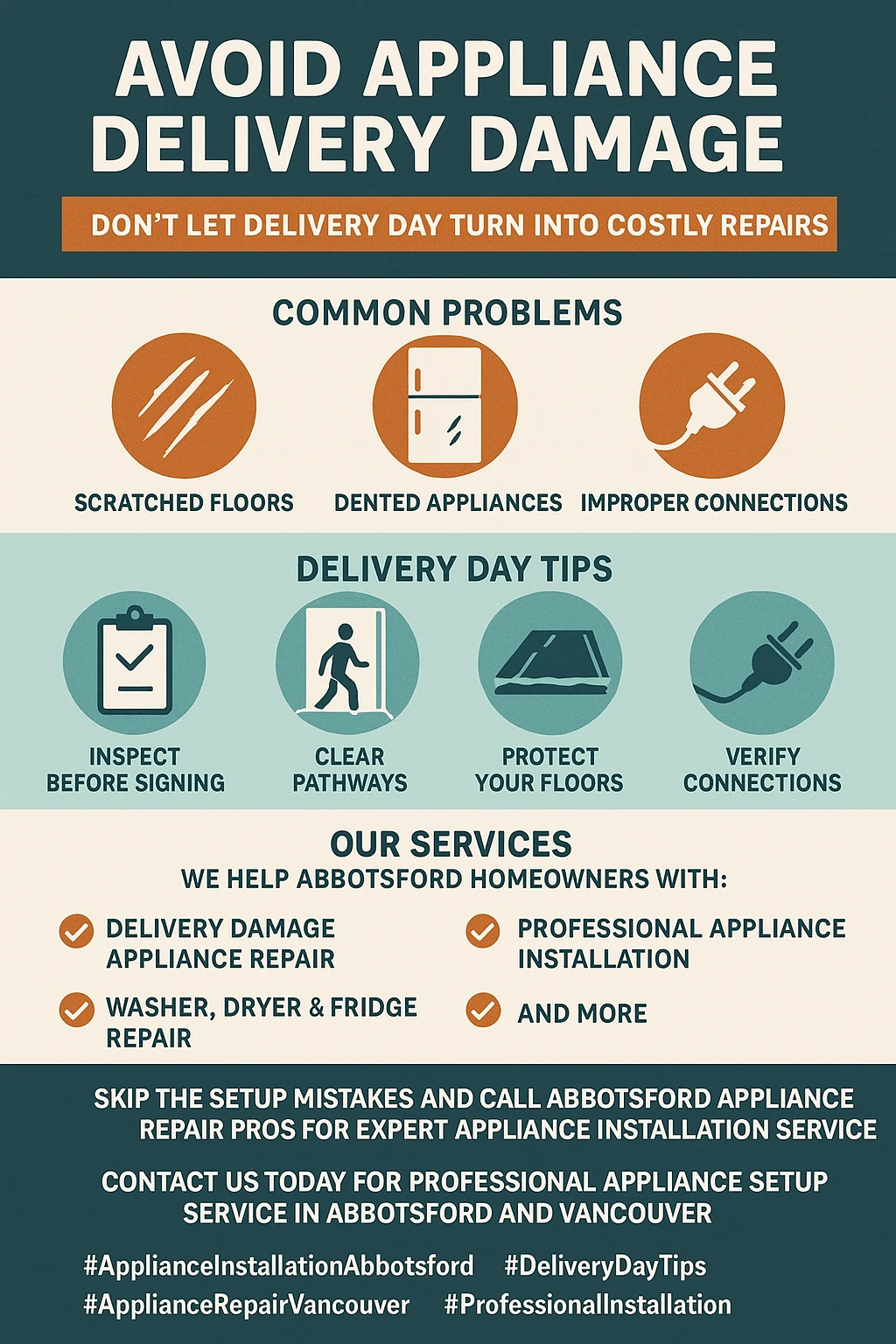
Proper unpacking and inspection procedures must be systematic and thorough, as shipping damage that goes unnoticed can be significantly exacerbated once the appliance begins operation. Every accessible surface should be examined for dents, cracks, scratches, or other damage that might have occurred during transport from the manufacturer through regional distribution centers to your home. Beyond visual inspection, verifying that all accessories, installation hardware, and documentation listed in the delivery manifest are actually present prevents delays and ensures that installation can proceed





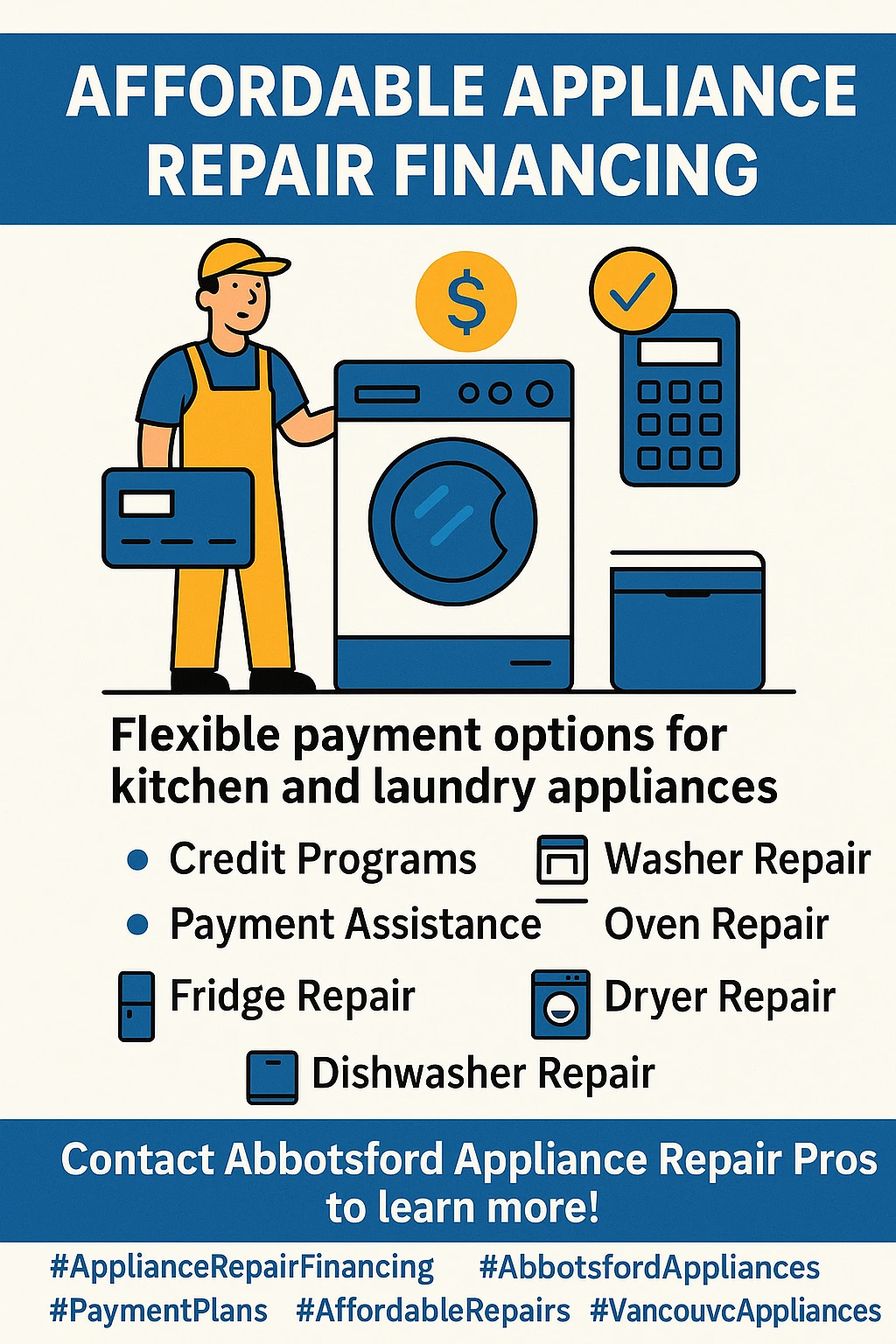
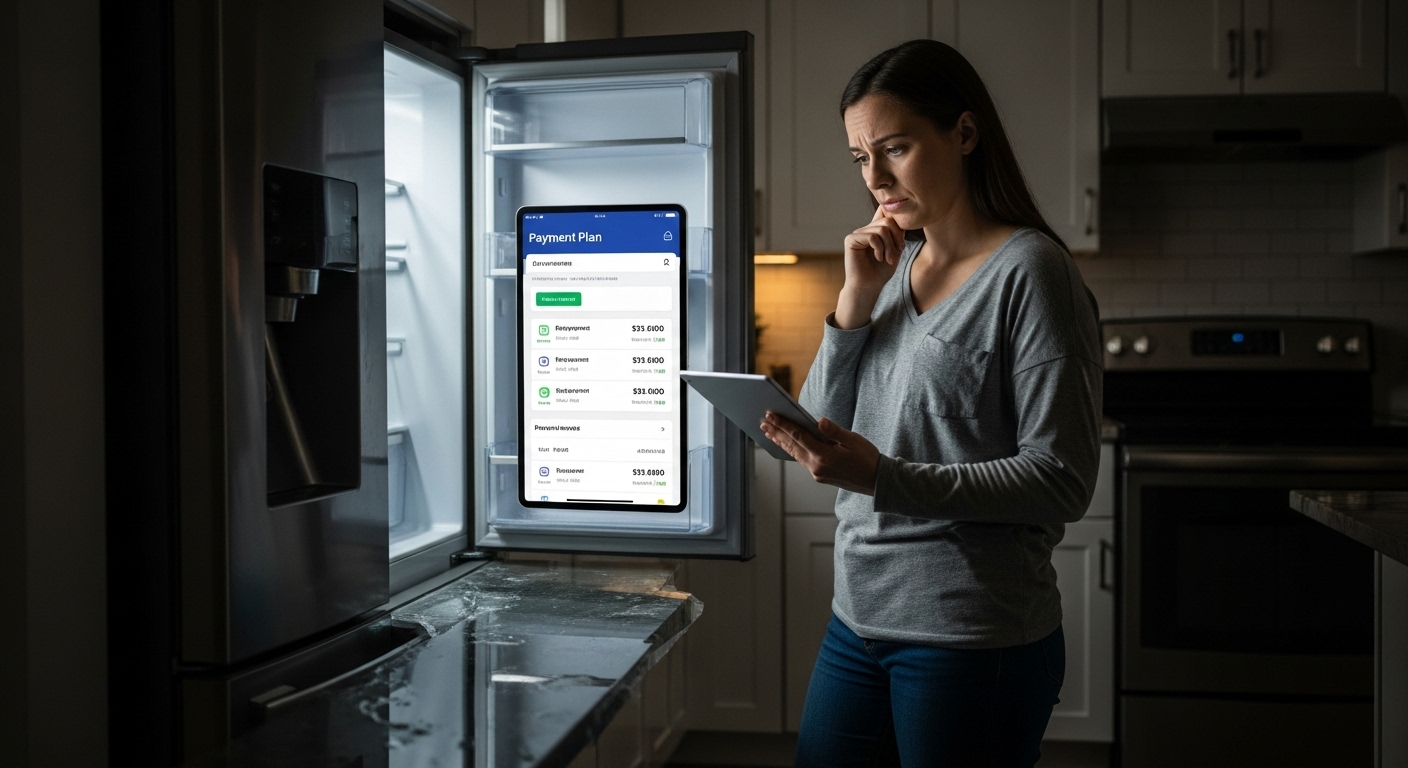 What makes appliance repair financing particularly tricky is the emergency nature of most repairs. Unlike planning for a kitchen renovation where you have months to research financing options, appliance breakdowns demand immediate solutions. This urgency can lead to poor financial decisions if you’re not familiar with your options beforehand. Understanding the landscape now, before you need it, puts you in control when crisis strikes. The financing ecosystem includes several distinct categories: buy-now-pay-later services that split purchases into manageable installments, personal loans from banks and online lenders, in-store financing programs offered by appliance retailers, specialized appliance financing companies, and alternative options like rent-to-own arrangements. Each category serves different needs and credit profiles, with varying costs and qualification requirements that significantly impact your total expense.
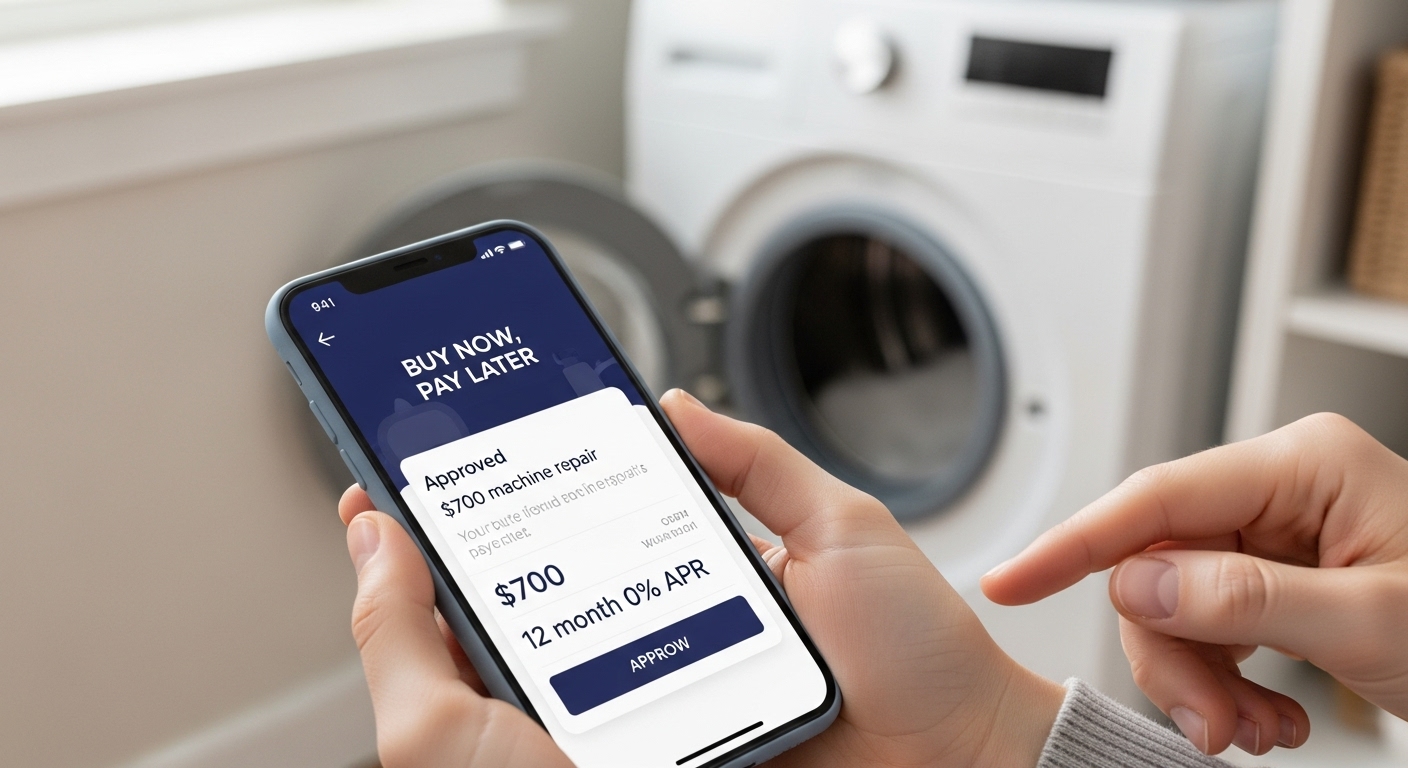 The application process for buy-now-pay-later services stands out for its simplicity and credit-friendly approach. Most providers use soft credit checks for prequalification, which means you can see if you qualify and for what terms without any impact on your credit score. This feature alone makes BNPL services incredibly attractive for homeowners who want to explore their options without consequences. Only when you actually accept a financing offer does a hard credit check occur, and even then, the impact is typically minimal. What sets buy-now-pay-later apart from traditional financing is the automatic loan completion structure. Unlike credit cards where you might carry a balance indefinitely, BNPL plans have fixed end dates and predictable payment amounts. When you make that final payment, you’re done – no ongoing balance, no minimum payments, no revolving credit temptation. This structure appeals particularly to homeowners who prefer the certainty of installment payments over the flexibility (and potential pitfalls) of revolving credit. However, buy-now-pay-later services aren’t without their considerations. Many providers offer deferred interest programs, which might seem like 0% financing but carry a significant catch: if you don’t pay the full promotional balance by the specified date, you’ll owe interest calculated from the original purchase date. This retroactive interest can be substantial, potentially adding hundreds of dollars to your repair bill if you miss the promotional payoff deadline. The accessibility of BNPL services extends to credit requirements as well. While traditional personal loans might require credit scores of 620 or higher, many buy-now-pay-later providers approve consumers with fair or even poor credit, often accepting applicants with scores as low as 500. This accessibility makes BNPL services particularly valuable for younger homeowners still building credit or those who’ve experienced credit challenges but need immediate repair financing.
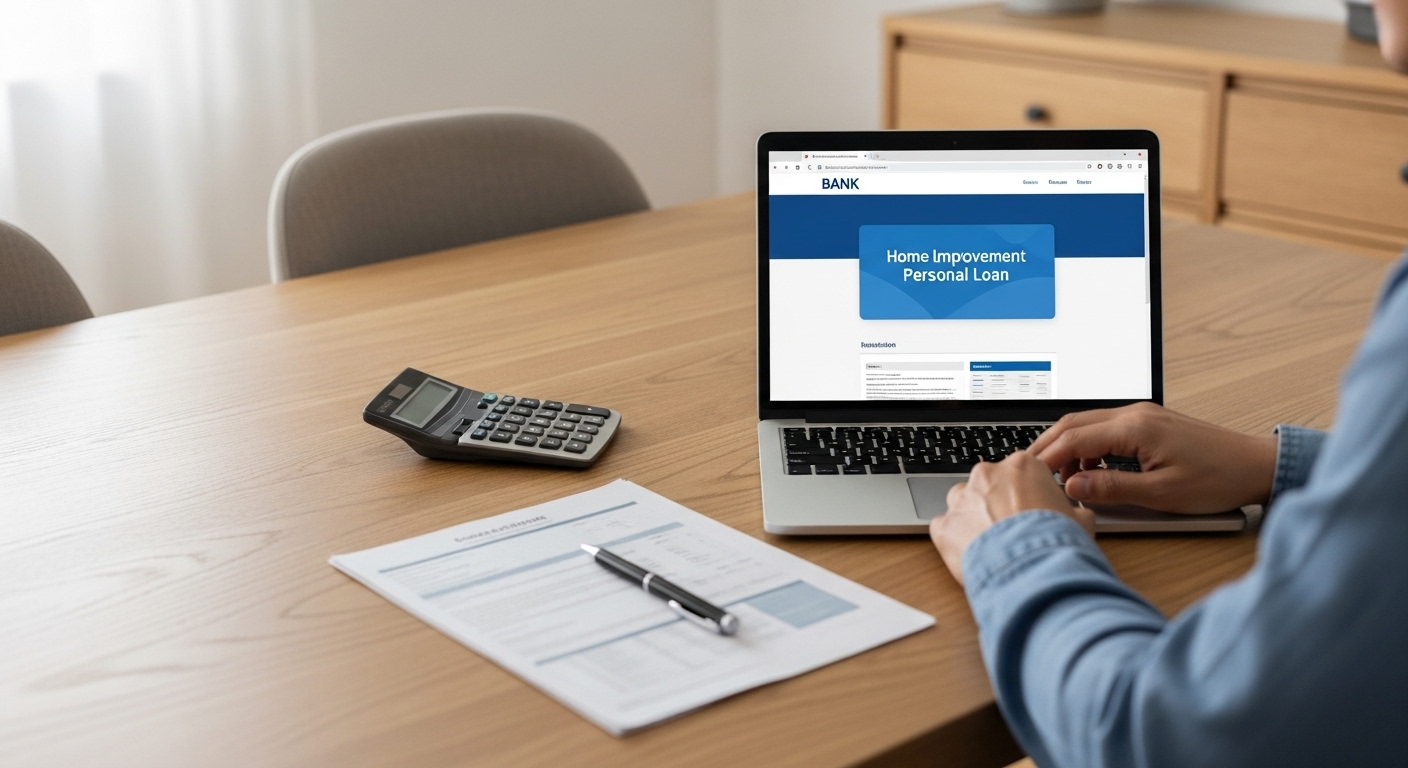 The structural advantages of personal loans become apparent when considering flexibility and credit building potential. Unlike BNPL services tied to specific retailers or repair companies, personal loan funds can be used anywhere – whether you choose the manufacturer’s authorized repair service, a local independent technician, or decide to purchase replacement appliances from any retailer. This flexibility proves particularly valuable when repair estimates vary significantly between providers or when you discover mid-project that replacement makes more sense than repair. Personal loans also contribute positively to your credit profile through installment payment history reported to all three major credit bureaus. Successfully managing a personal loan demonstrates your ability to handle installment debt, potentially improving your credit score over the loan term. This credit-building aspect contrasts sharply with most buy-now-pay-later services, which typically don’t report positive payment history to credit bureaus unless accounts become delinquent.