Wondering if your appliances are ready to tackle spring after surviving another harsh Abbotsford winter? Let’s dive into the ultimate spring appliance deep clean that’ll have your home running like a dream and save you from costly repairs down the road! Spring in Abbotsford hits differently when you know your appliances have been working overtime through those chilly months. Just like how we shed our winter coats and feel instantly lighter, our appliances deserve that same fresh-start energy. Think about it – your fridge has been battling extra holiday leftovers, your dryer’s been wrestling with heavy sweaters, and your HVAC system has been the unsung hero keeping your Mill Lake neighborhood home cozy. The truth is, most of us nail the obvious spring cleaning tasks but completely forget about our hardworking appliances. By the time we notice something’s off – like weird noises from the washer or the fridge not cooling properly – we’re already looking at potentially expensive repairs that could have been prevented with some simple seasonal TLC.
Key Outtakes:
- Focus on high-impact appliances first: refrigerator coil cleaning, HVAC filter replacement, and dryer vent clearing can prevent 80% of common spring breakdowns
- Spring allergens in Abbotsford require special attention to air filtration systems and regular HEPA filter upgrades for optimal indoor air quality
- Deep cleaning kitchen appliances like ovens, dishwashers, and microwaves with natural ingredients prevents buildup that can cause performance issues
- Washing machine and dryer maintenance should include hose inspections, lint removal, and mold prevention to extend appliance lifespan
- Professional inspections for complex systems can catch hidden problems before they become expensive emergency repairs

Essential Appliance Deep Clean: Your Home’s Heavy Hitters
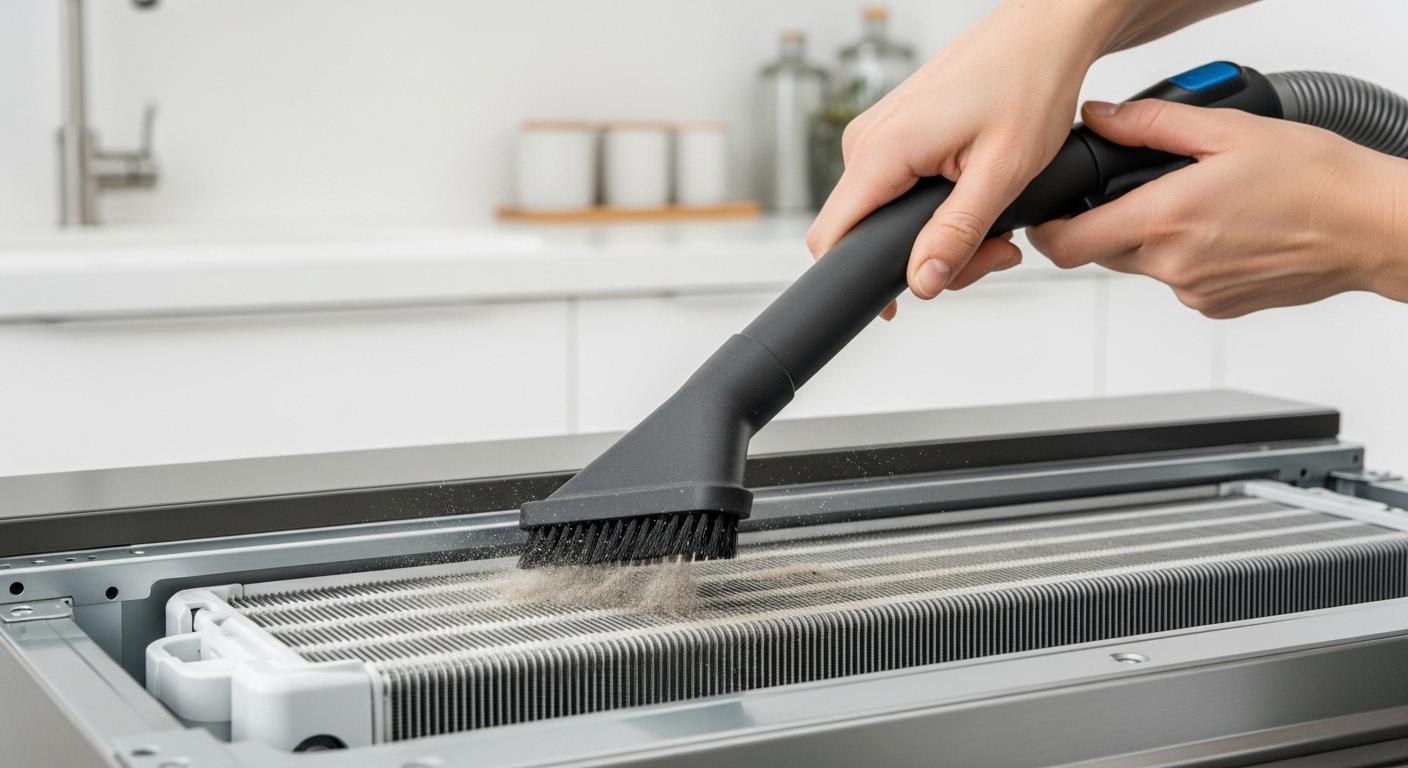
Your refrigerator and HVAC system are basically the MVPs of your home, and they’ve been putting in serious overtime during winter. These aren’t your typical “quick wipe-down” situations – we’re talking about deep cleaning that’ll have your appliances thanking you with better performance and lower energy bills. Let’s be real, nobody wants to deal with a fridge that’s struggling or an HVAC system that’s fighting for its life. Starting with your refrigerator, those condenser coils are probably looking pretty rough right about now. Winter means more comfort food storage, holiday entertaining, and generally heavier use that leaves those coils collecting dust like crazy. When these coils are clogged, your fridge works about 30% harder to keep things cool – and that translates directly to higher energy bills. The fix is surprisingly straightforward: locate those coils (usually on the back or underneath), grab your vacuum with the brush attachment, and give them a thorough cleaning. While you’re at it, check those door seals using the dollar bill trick – close a bill in the door and try to pull it out. If it slides out easily, you’re literally letting money escape through poor seals. Also, if your freezer looks like an ice cave, it’s time for a defrost session because ice blocks airflow and makes everything work harder than necessary. Your HVAC system deserves equal attention, especially with Abbotsford’s spring pollen season approaching. Those filters have been collecting dust, pet dander, and now they’re about to face a whole new challenge with allergens. This is where upgrading to HEPA filters becomes a game-changer – they capture 99.97% of particles, which means cleaner air and less stress on your system. Don’t forget about your ductwork either; winter air circulation patterns can cause debris to settle in unexpected places, and professional duct cleaning can make a significant difference in both air quality and energy efficiency.
Kitchen Appliance Revival: Where the Magic Happens
 Moving into your kitchen, these appliances have probably seen more action during winter than a busy restaurant. Between holiday cooking marathons, comfort food experiments, and just the general increase in home cooking when it’s cold outside, your oven, dishwasher, and microwave need some serious attention. The good news is that with the right approach, you can get them looking and performing like new without breaking the bank. Your oven is probably hiding some serious battle scars from winter cooking adventures. If you’ve got a self-clean cycle, spring is the perfect time to use it – just remove the racks first and ensure good ventilation because it can get smoky. For ovens without this feature, a paste made from baking soda and water left overnight works wonders on baked-on carbon buildup. The key is patience – let the paste do the heavy lifting, then scrub with a non-abrasive sponge. Don’t forget about your range hood filters while you’re in deep-cleaning mode. These often-forgotten components have been capturing grease and cooking odors all winter, and grease-laden filters are actually fire hazards. Soaking them in hot water with baking soda and dish soap breaks down the buildup, and you’ll be amazed at how much better your kitchen ventilation works afterward. Your dishwasher might seem self-cleaning, but it needs regular maintenance to perform at its best. Those spray arms can get clogged with food debris, and when they’re blocked, your dishes don’t get properly cleaned. Remove them (they usually twist off easily) and use a toothbrush to clear blockages. Run a maintenance cycle with white vinegar to break down detergent residue and mineral deposits – it’s like giving your dishwasher a spa day.
Laundry Room Deep Dive: Lint and Beyond
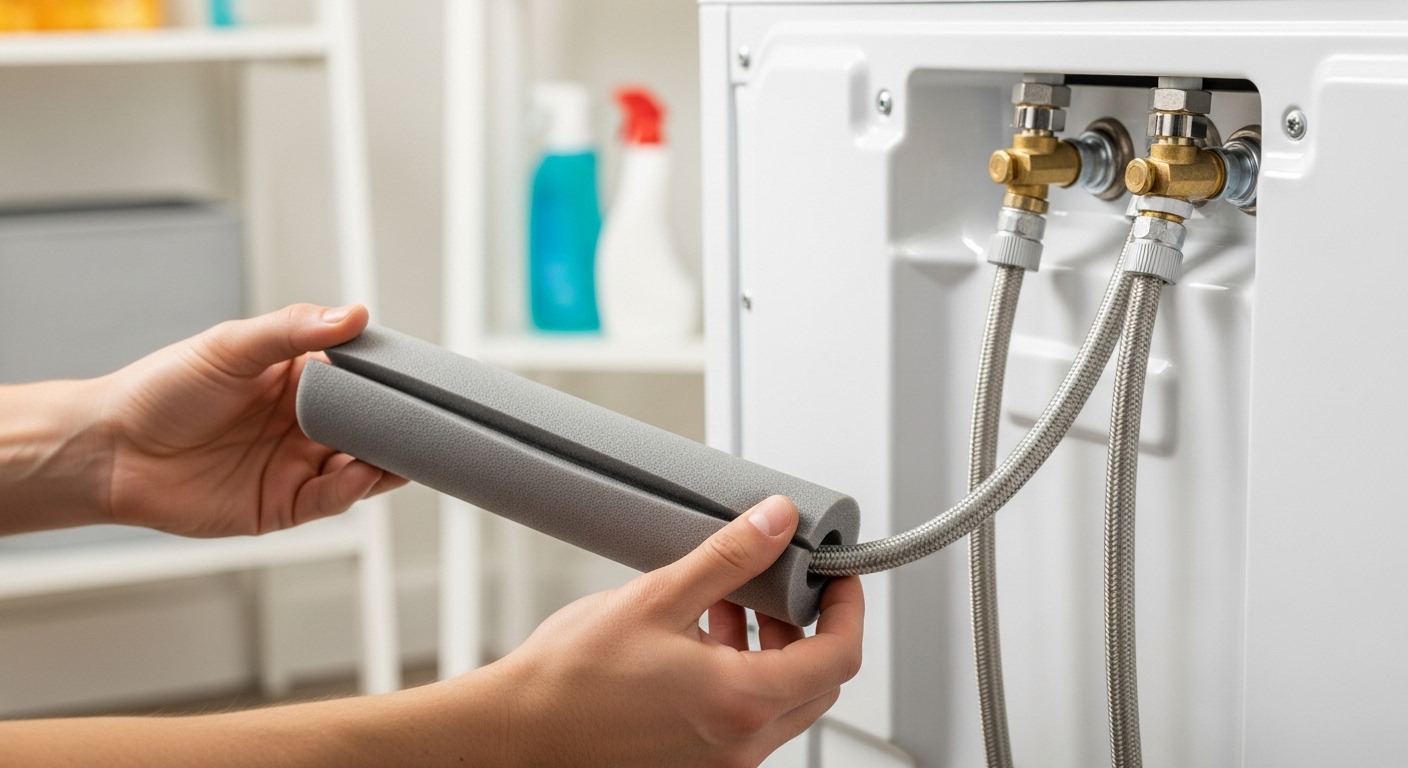
 Your laundry room has been working overtime during those cozy Abbotsford winter months, and it’s time to show these hardworking appliances some love. Between heavier fabrics, more frequent washing, and the general increase in indoor living, your washer and dryer need attention beyond just emptying the lint trap. This is where a thorough deep clean can prevent issues and extend the life of your appliances significantly. Starting with your dryer, that lint trap is just the tip of the iceberg. The real action happens in the exhaust vent, where lint builds up over time and creates a serious fire hazard while making your dryer work harder than it should. Disconnect the dryer and vacuum out the vent thoroughly – you’ll probably be shocked at how much lint has accumulated. While you’re at it, check the outdoor vent cover to make sure it opens and closes properly and isn’t blocked by debris. Your washing machine needs attention too, especially if you live in areas like Clearbrook or West Abbotsford where hard water can cause mineral buildup. Run an empty cycle with white vinegar to break down soap residue and mineral deposits, then follow up with a baking soda cycle to eliminate any lingering odors. Don’t forget to wipe down the rubber seal around the door (if you have a front-loader) because this area is prone to mold and mildew buildup. Check your washing machine hoses while you’re in maintenance mode. These rubber connections can develop cracks or weak spots over time, and a burst hose can cause thousands of dollars in water damage. Look for any signs of bulging, cracking, or mineral deposits, and replace them if they’re more than five years old. It’s a small investment that can prevent a major disaster, especially in neighborhoods like Auguston where homes are often on multiple levels.
Small Appliances: The Overlooked Heroes
While we focus on the big appliances, those smaller kitchen helpers have been working just as hard and deserve attention too. Your coffee maker, microwave, and other countertop appliances have accumulated months of use and probably some serious buildup that’s affecting their performance. The beauty of small appliance maintenance is that it’s quick, easy, and makes a noticeable difference right away. Your coffee maker has been your morning lifeline through the dark winter months, but when was the last time you descaled it? Mineral buildup from water can seriously affect brewing temperature and flavor, not to mention slow down brewing time. Run a cycle with equal parts white vinegar and water, let it sit for 15 minutes, then finish the cycle and run two cycles with plain water to rinse. Your morning cup will taste noticeably better, and your machine will thank you. Microwaves are probably the most neglected appliance in most kitchens, but they’re also one of the easiest to clean. Steam cleaning works like magic – microwave a bowl of water with lemon slices for two minutes, let the steam work for a few more minutes, then wipe everything down with a damp cloth. The steam loosens all the splatters and the lemon leaves everything smelling fresh. Small appliances like blenders, food processors, and stand mixers benefit from a thorough cleaning and inspection of their parts. Remove any detachable components and wash them properly, checking for any cracks or wear that might affect performance. Many small appliance issues stem from improper cleaning or worn parts that could have been caught early with regular maintenance.
HVAC Deep Clean: Breathing Easy in Spring
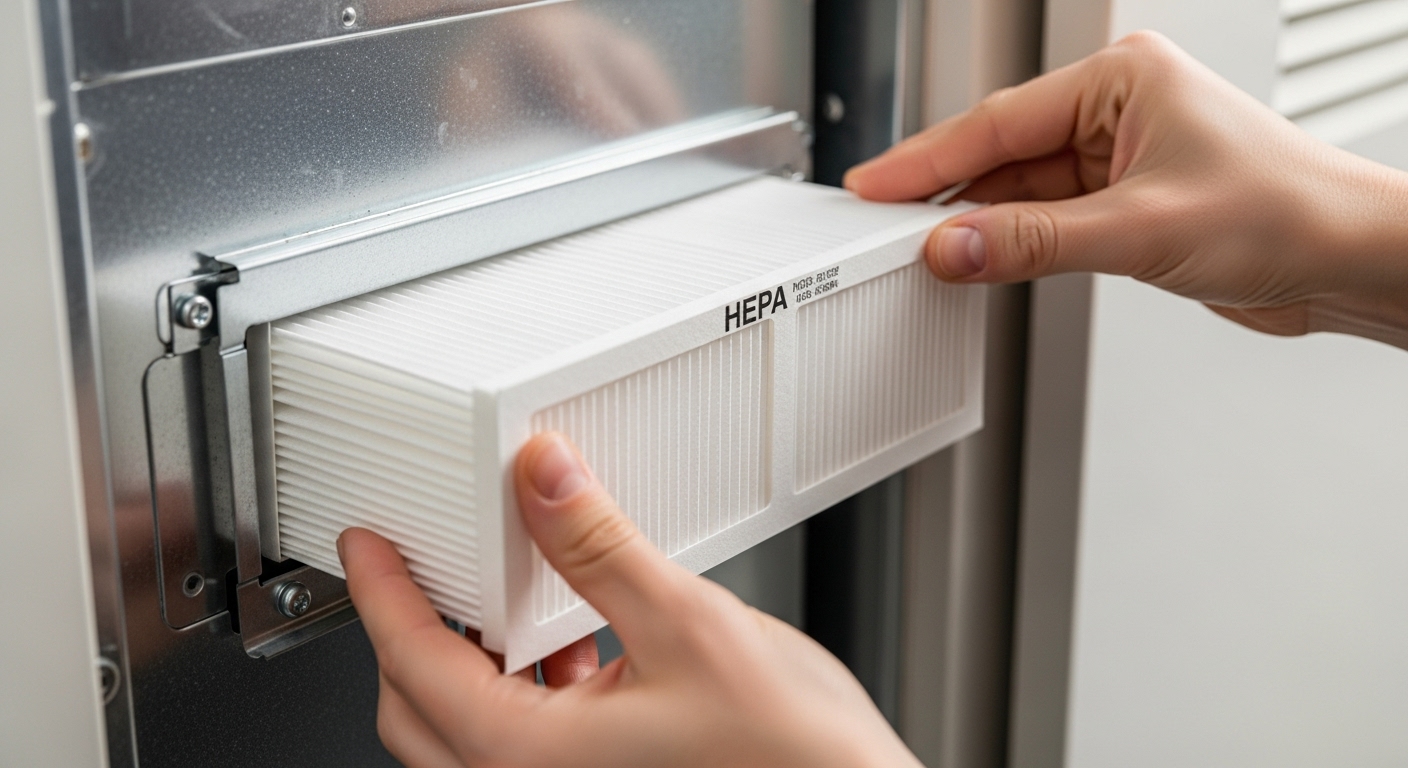 With Abbotsford’s spring bringing fresh air and unfortunately, plenty of pollen, your HVAC system needs special attention to handle the seasonal transition. Winter has left your system with accumulated dust and debris, and now it needs to gear up for spring allergens that can really challenge your indoor air quality. This is where a comprehensive HVAC cleaning becomes crucial for both system efficiency and family health. Beyond just changing filters, your HVAC system benefits from a thorough cleaning of vents, ducts, and the unit itself. Remove vent covers and wash them in soapy water while you vacuum out the visible ductwork. This simple step can improve airflow significantly and reduce the amount of dust circulating through your home. If you live in newer developments like Clayburn Village, where homes are built more tightly, proper ventilation becomes even more critical. Consider upgrading to smart thermostats and air quality monitors that can help you track when your system needs attention. These devices can alert you to filter changes, unusual energy usage, or air quality issues before they become problems. Many utility companies in Abbotsford offer rebates for energy-efficient upgrades, making this an excellent time to modernize your HVAC system. Don’t overlook your heat pump if you have one – these systems need regular coil cleaning and refrigerant level checks to maintain efficiency. Spring is an ideal time for a professional tune-up because you’re not relying on the system heavily for heating or cooling. A well-maintained heat pump can save you significant money on energy bills and provide better comfort year-round.
Frequently Asked Questions
How often should I deep clean my appliances during spring?
Most major appliances benefit from a thorough deep clean twice a year, with spring being an ideal time after heavy winter use. However, some maintenance tasks should be done more frequently – like changing HVAC filters monthly during high-use seasons and cleaning dryer lint traps after every load. The key is creating a maintenance schedule that prevents small issues from becoming big problems.
Can I use natural cleaning products for all my appliances?
Natural cleaners like white vinegar, baking soda, and lemon work wonderfully for most appliance cleaning tasks and are safer for your family and the environment. However, always check your manufacturer’s guidelines first, as some finishes or components may require specific cleaning products. Stainless steel appliances, for example, benefit from specialized cleaners to avoid streaking and maintain their finish.
When should I call a professional for appliance maintenance?
While many spring cleaning tasks can be DIY projects, call a professional for anything involving gas connections, electrical issues, or if you discover problems beyond basic cleaning. Signs that warrant professional attention include unusual noises, performance issues that cleaning doesn’t resolve, or any safety concerns. Complex systems like HVAC units and high-end appliances often benefit from annual professional inspections to catch issues early.
Wrapping Up
Spring appliance cleaning is more than just making things look good – it’s about ensuring your home runs efficiently and safely through the coming year. By tackling these maintenance tasks now, you’re investing in your appliances’ longevity and your family’s comfort while potentially avoiding costly emergency repairs down the road. When you need professional help with any appliance issues that go beyond spring cleaning, Abbotsford Appliance Repair Pros is here to help homeowners throughout Mill Lake, Clearbrook, and Auguston keep their homes running smoothly with expert repair and maintenance services.



 Dishwashers typically have this information on the door frame or inside the door itself. Refrigerators usually display their identification on a sticker inside the fresh food compartment or on the back panel.
  Taking advantage of professional safety inspection services adds an extra layer of protection beyond basic recall checking. While individual homeowners can perform basic safety assessments, trained technicians possess specialized knowledge and tools that can identify potential hazards that might not be obvious to the average person. This becomes particularly important for older appliances or homes with complex electrical systems. Professional appliance safety inspections can identify issues that extend beyond manufacturer recalls. Technicians look for problems like improper installations, wear-related safety concerns, ventilation issues, and electrical hazards that develop over time. These inspections often reveal problems that could lead to fires, carbon monoxide leaks, or electrical shocks – issues that might not be covered by standard manufacturer recalls but are equally dangerous. Many local utility companies and safety organizations offer free or low-cost appliance safety inspections as part of their community outreach programs. These services typically include checking gas connections, electrical systems, ventilation adequacy, and overall appliance condition. Some programs specifically target older appliances or homes in certain neighborhoods, making professional safety assessments accessible to homeowners who might not otherwise afford them. The timing of professional inspections matters significantly for maximizing safety benefits. Schedule inspections during appliance installation, after major electrical work, following severe weather events, or when you notice any unusual sounds, smells, or performance changes. Regular inspections every few years can catch developing problems before they become serious safety hazards, potentially preventing fires or other dangerous situations.
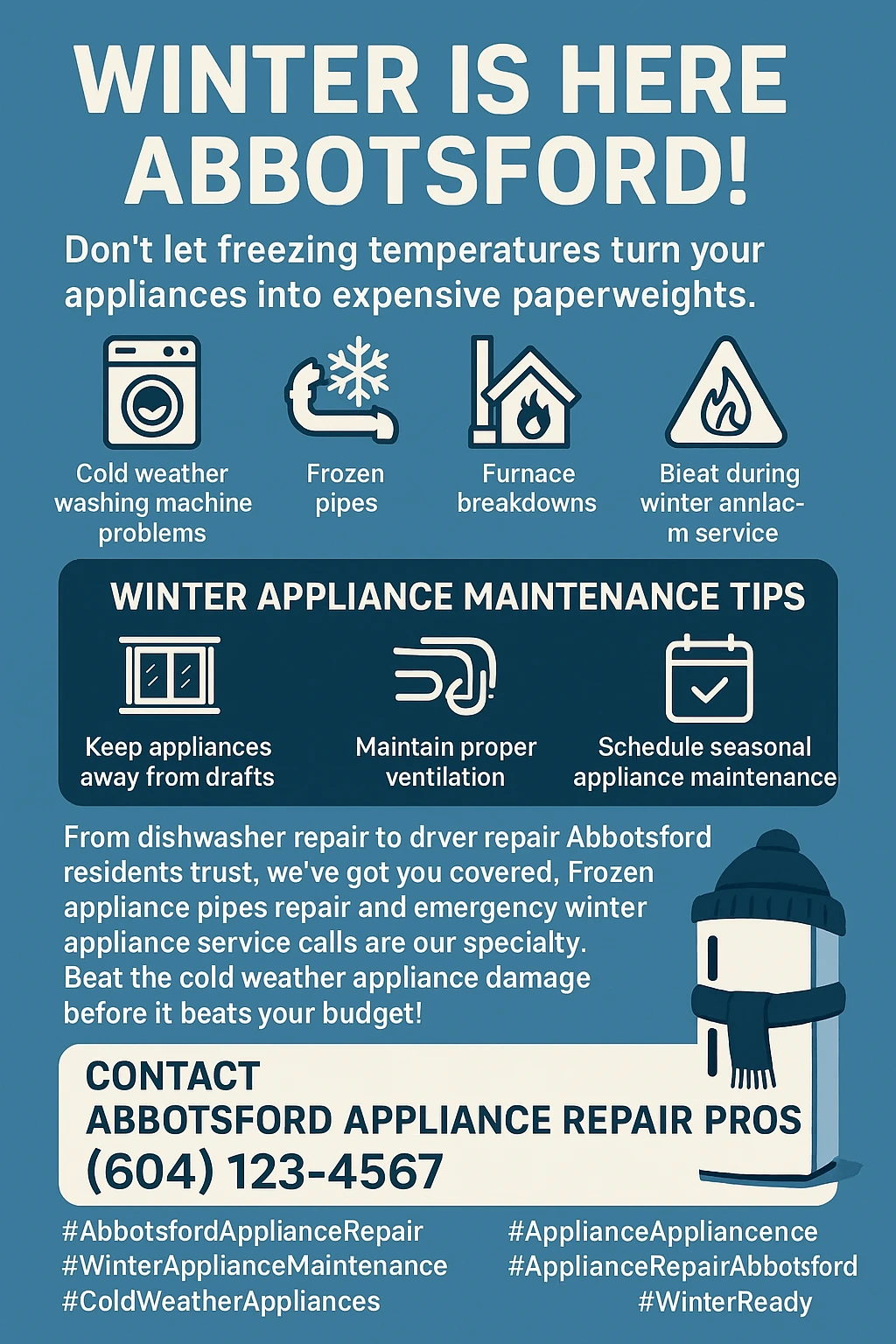

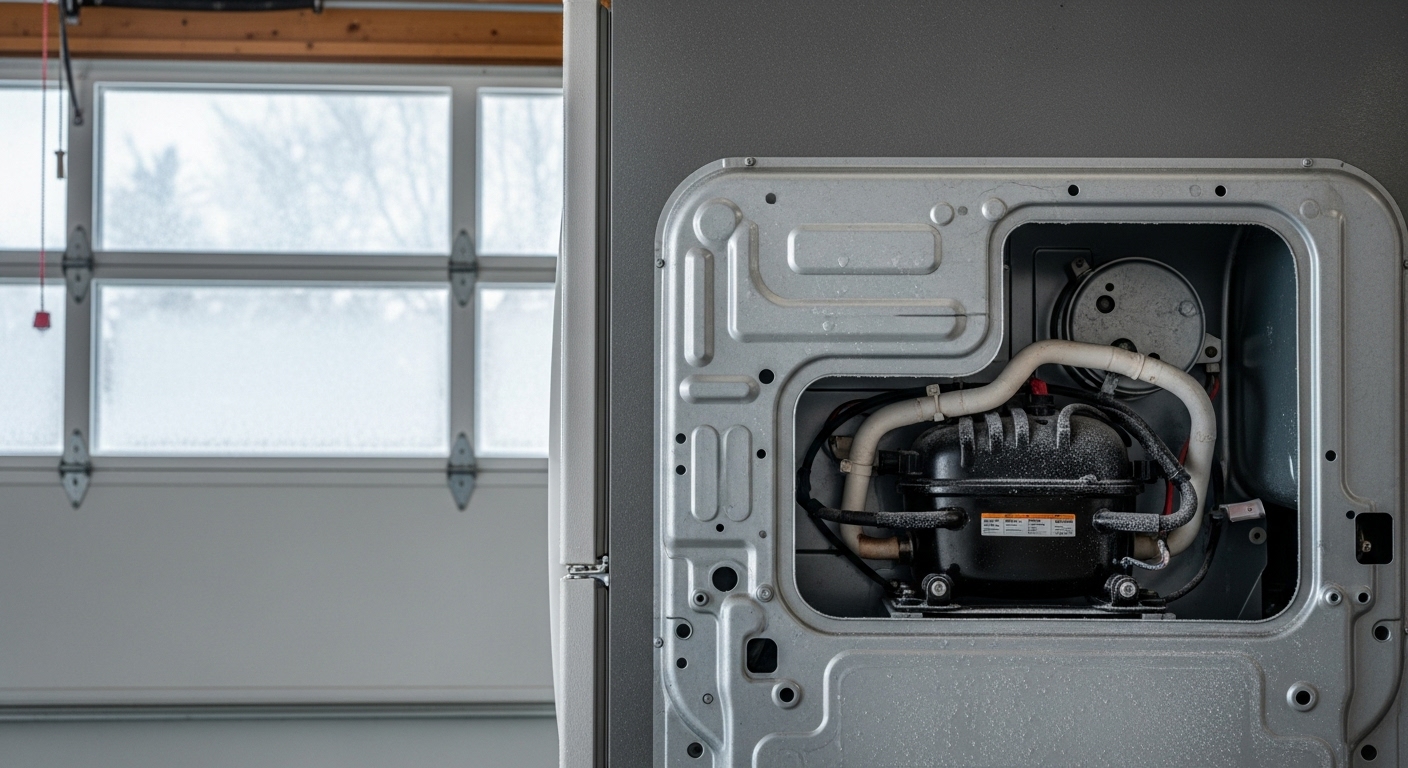 Let’s get real about which appliances are most likely to bail on you when the temperature drops. Understanding these weak spots helps you focus your prevention efforts where they’ll make the biggest difference. Refrigerators and freezers top the vulnerability list, especially if you’ve got one of those garage setups that’s so popular in neighborhoods like Clearbrook and Matsqui. When ambient temperatures drop below 60°F, most refrigerators start struggling to maintain proper internal temperatures. The compressor oil gets thick, door seals contract and lose their grip, and temperature sensors can start giving false readings that throw off the whole cooling cycle. Washing machines face their own winter nightmare scenario – frozen water supply lines. Those supply lines running through crawl spaces or along exterior walls are basically ticking time bombs once temperatures hit freezing. And it’s not just about burst pipes (though that’s definitely the worst-case scenario). Even temporary freezing can damage internal components like pumps and valves. Your dryer isn’t off the hook either – winter moisture and lint create the perfect recipe for blockages that reduce efficiency and create fire hazards.