

Wondering why your appliances seem to mysteriously break down just when you need them most? These hidden appliance problems cost Abbotsford homeowners thousands in emergency repairs and water damage that could have been prevented with early detection. Picture this: you wake up on a busy Monday morning in Clearbrook, rushing to get the kids ready for school and yourself ready for work. You toss a load of laundry into your trusty washing machine without a second thought. But instead of the familiar hum, you hear an ominous grinding noise followed by water pooling across your laundry room floor. Sound familiar? This exact scenario happens to dozens of families across Abbotsford every month, and it’s completely avoidable when you know what warning signs to watch for. Hidden appliance problems are like silent thieves – they quietly drain your bank account while you’re completely unaware anything’s wrong. Unlike obvious issues that announce themselves with loud noises or complete shutdowns, these sneaky problems lurk behind the scenes, gradually damaging your home and inflating your energy bills. From Matsqui to Mill Lake, homeowners are discovering that their biggest appliance expenses come not from sudden catastrophic failures, but from small issues that went unnoticed for months or even years.
Key Outtakes:
- Hidden water leaks from appliances cause an average of $2,800 in damage per incident, with some cases reaching $20,000 in restoration costs
- Inefficient appliances due to poor maintenance can increase energy bills by 25-40% annually without obvious performance changes
- Early detection and repair of appliance problems costs 60-80% less than emergency repairs or full replacements
- Abbotsford’s humid climate and hard water conditions accelerate hidden appliance deterioration, making regular inspections crucial
- Professional appliance maintenance can extend equipment lifespan by 3-7 years while preventing costly home damage
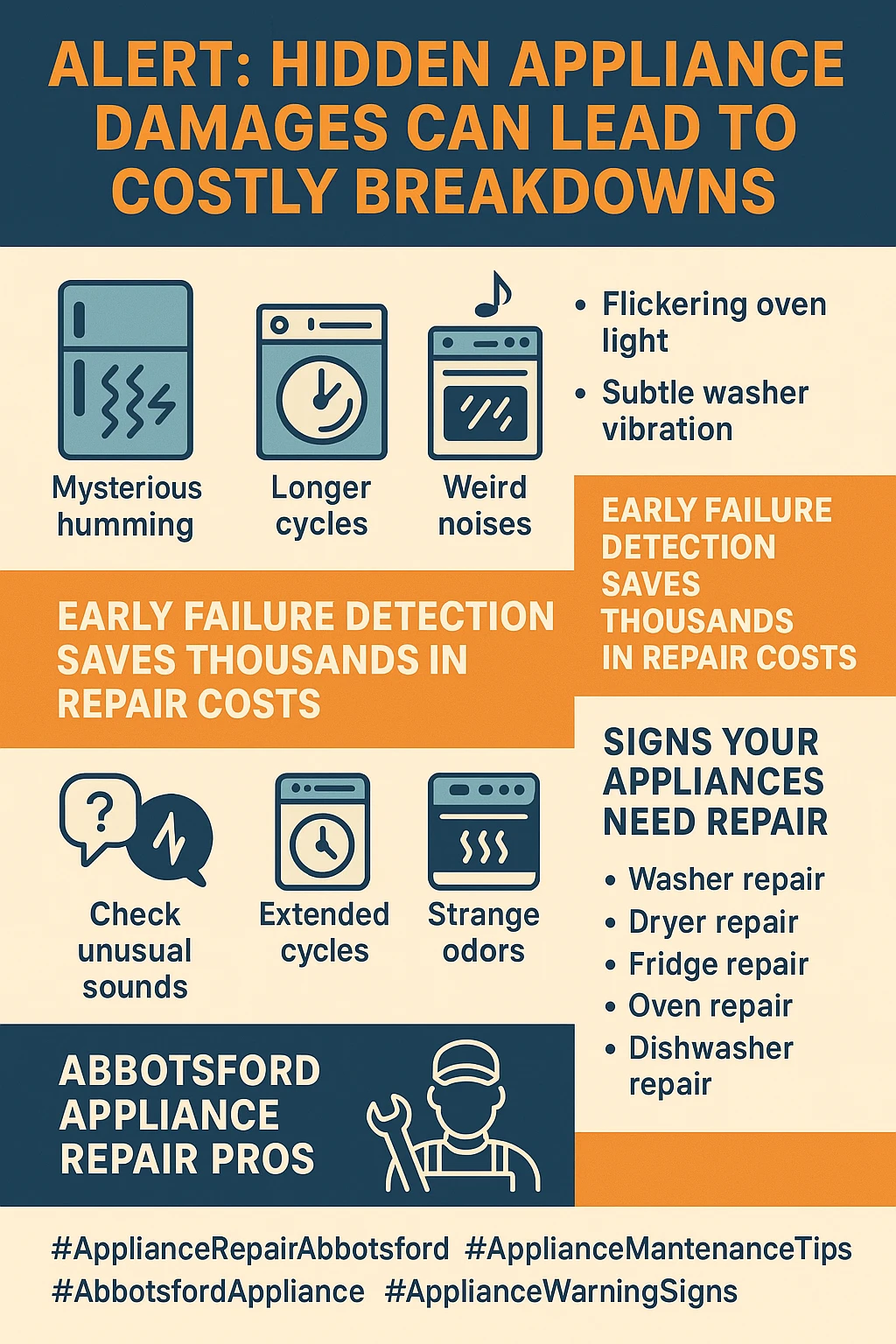
The Silent Killers: Most Common Hidden Appliance Problems
Understanding the most prevalent hidden appliance issues helps homeowners stay ahead of potential disasters before they spiral into expensive emergencies. These problems develop gradually, making them particularly dangerous because they often go unnoticed until significant damage has already occurred.
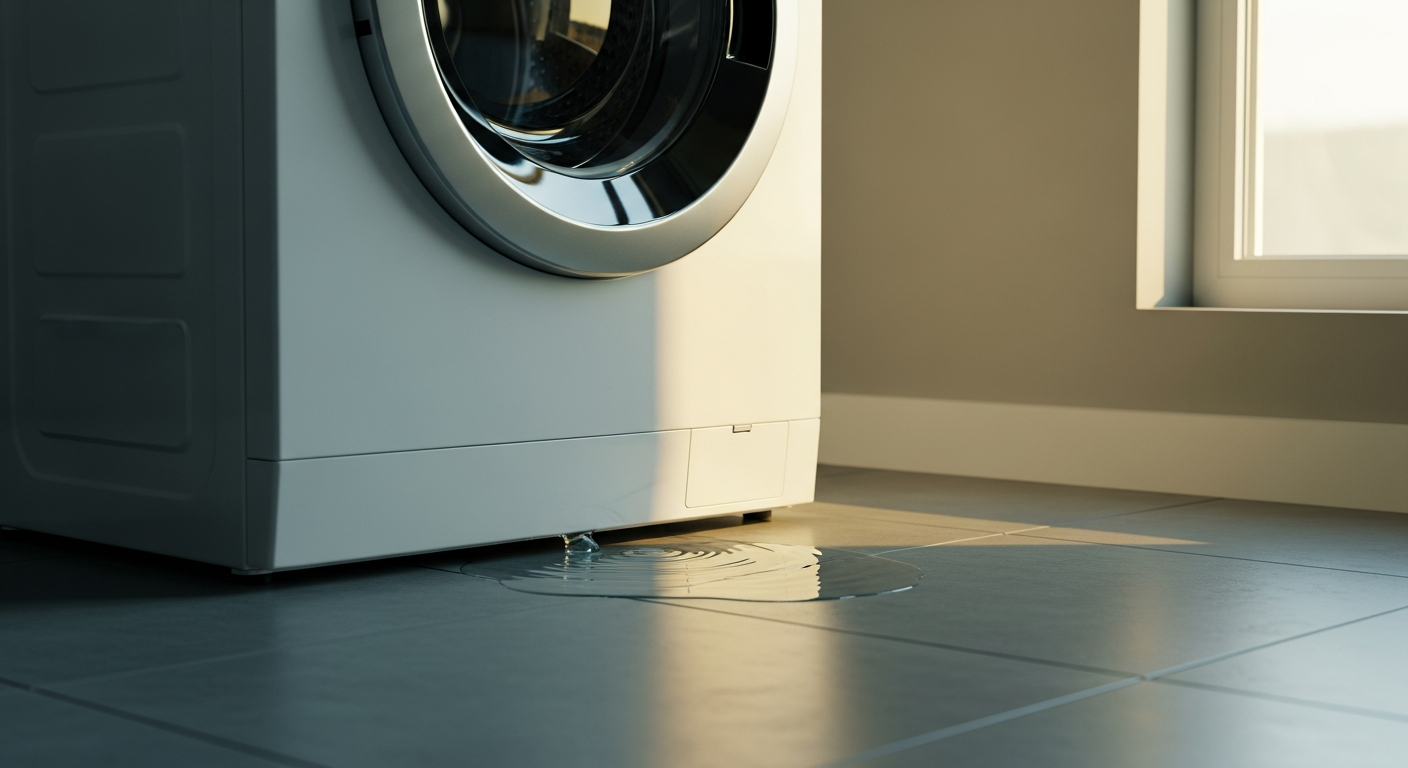
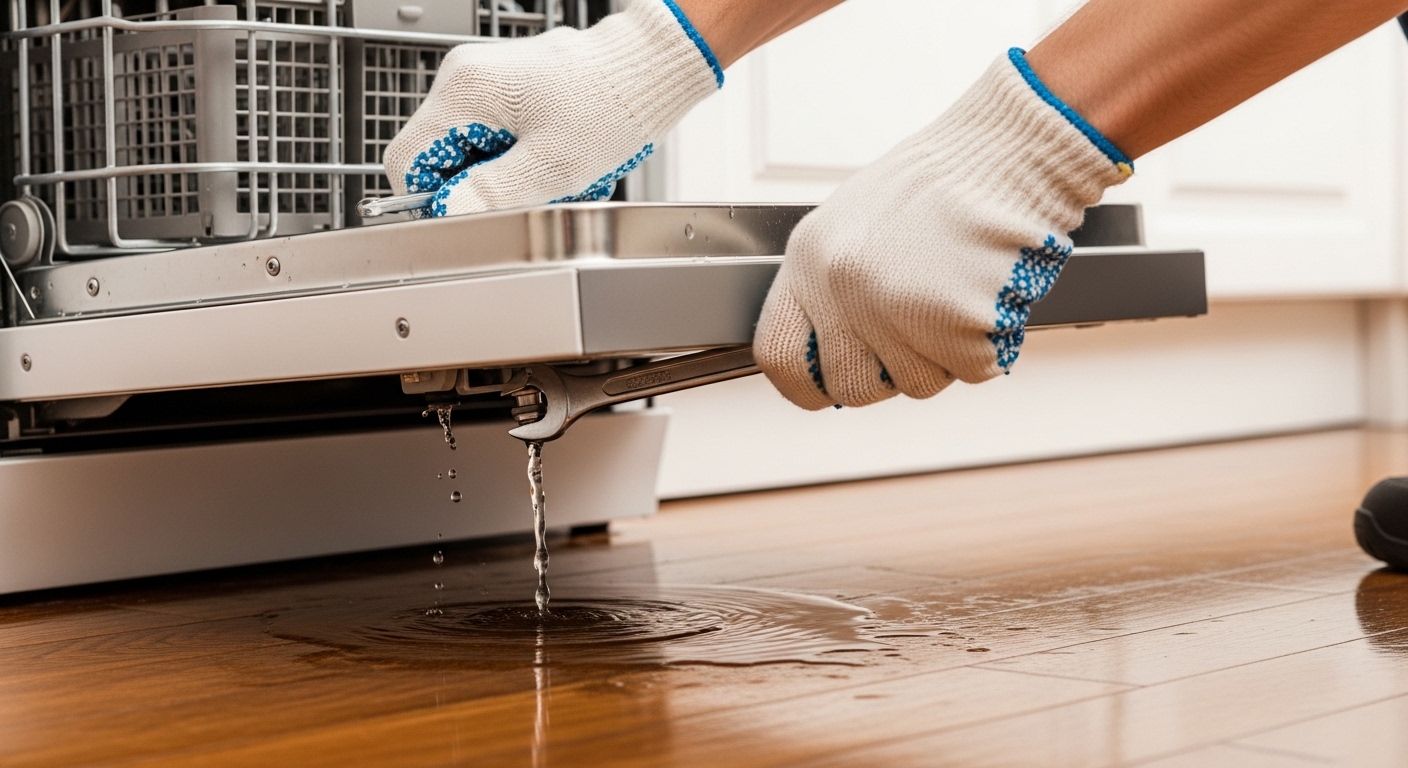
Water leaks represent the most financially devastating hidden appliance problem affecting Abbotsford homes. These leaks typically start as tiny drips behind or underneath appliances, gradually saturating subflooring, damaging cabinets, and creating perfect conditions for mold growth. Dishwashers commonly develop seal failures around door gaskets, while washing machines frequently experience hose deterioration or connection loosening. Refrigerators can develop condensation issues or ice maker leaks that slowly but steadily damage surrounding flooring and cabinetry. Water damage restoration becomes necessary when these seemingly minor leaks compound over months.
Electrical component degradation poses serious safety risks while gradually increasing energy consumption throughout your home. Heating elements in dryers and water heaters develop mineral buildup that forces them to work harder, drawing more power while producing less heat. Control boards and sensors can malfunction intermittently, causing appliances to run longer cycles or operate inefficiently without obvious performance problems. These electrical issues often manifest as slightly higher utility bills rather than complete appliance failure, making them easy to overlook until components burn out completely.
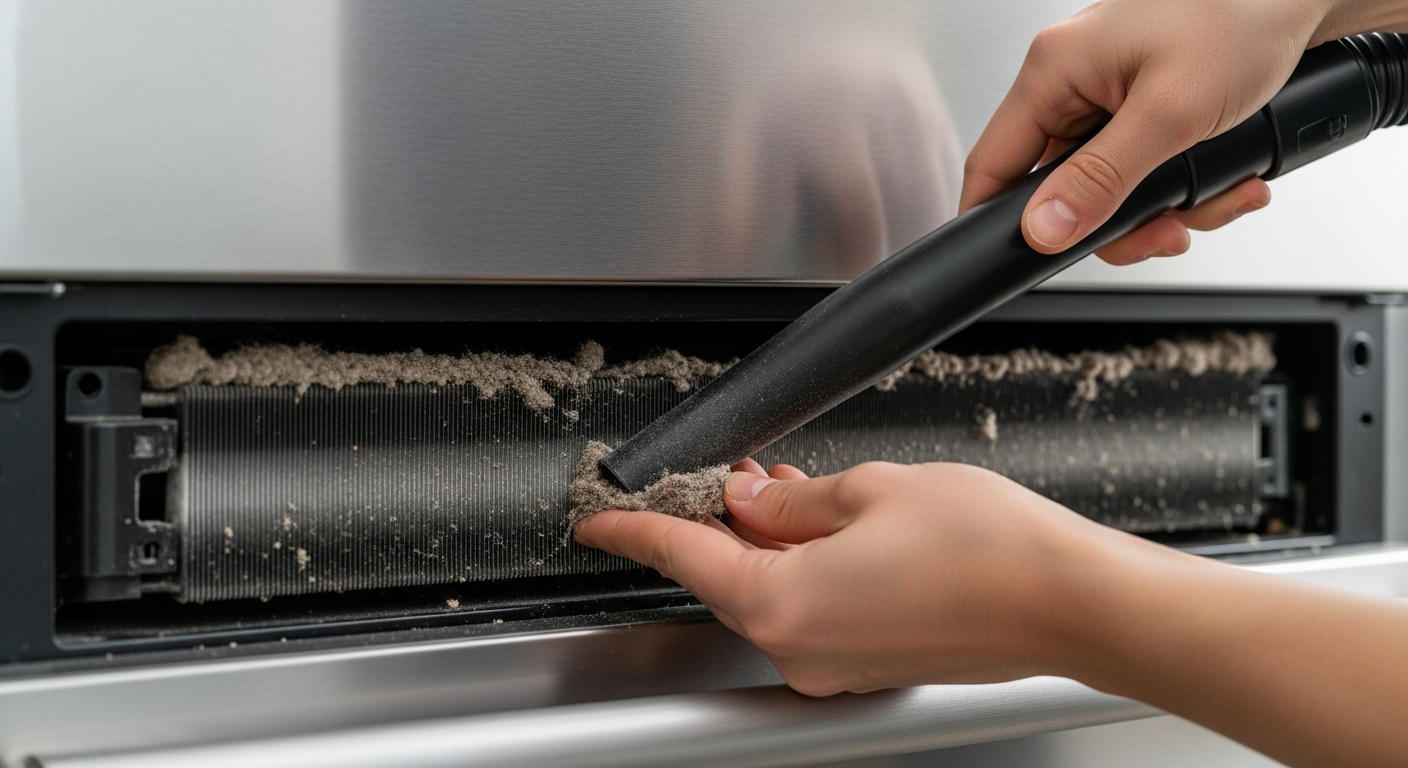
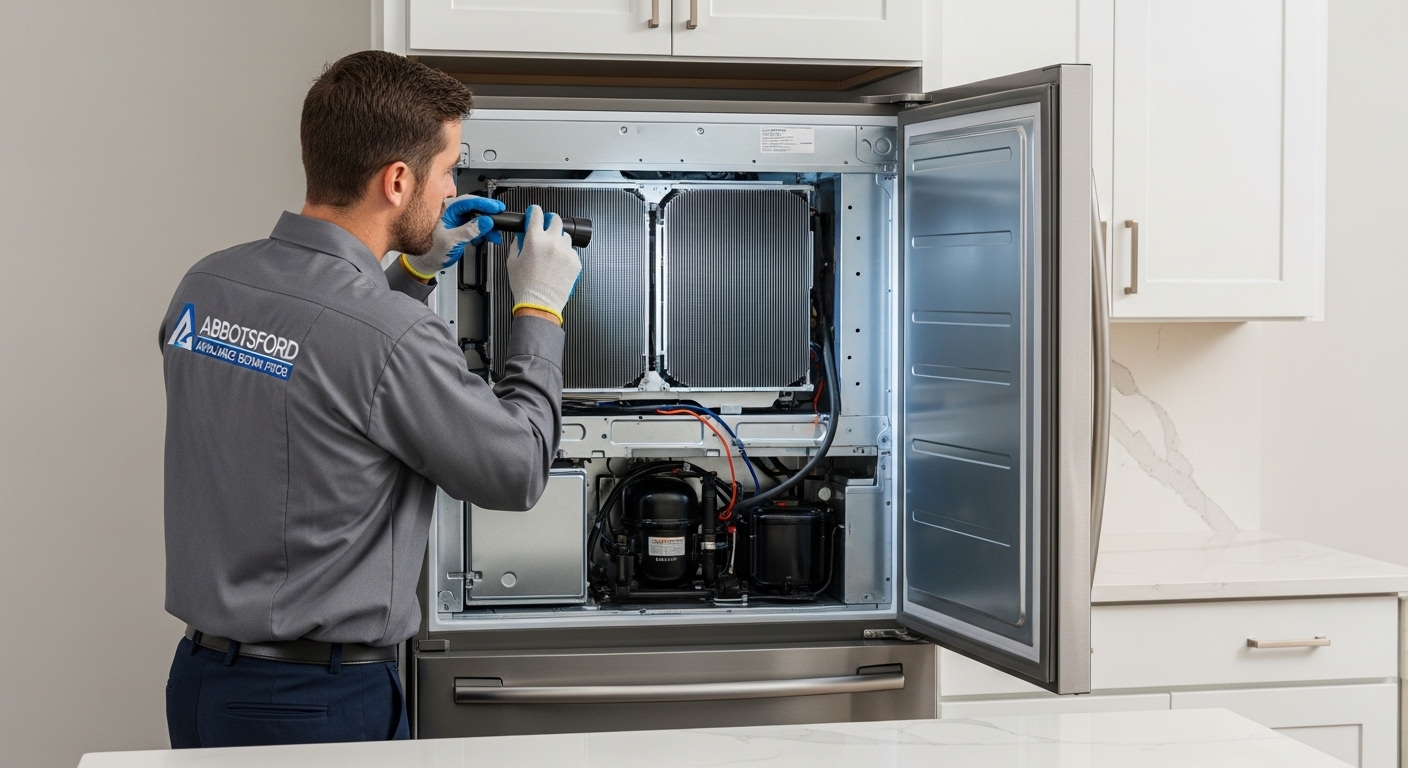
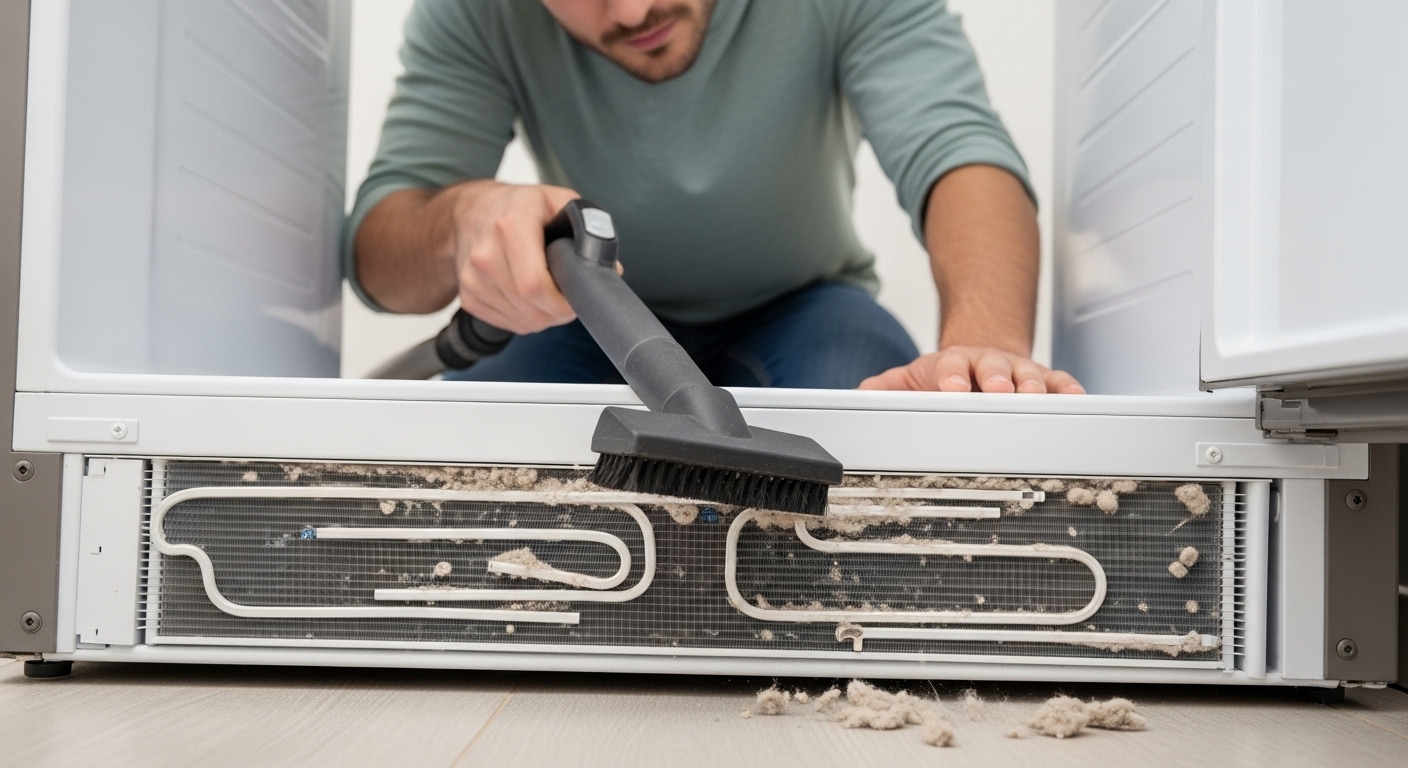
Ventilation blockages create cascading problems that affect both appliance performance and home safety over time. Dryer vents accumulate lint that restricts airflow, forcing heating elements to work overtime while creating fire hazards. Range hood filters become clogged with grease and debris, reducing their effectiveness at removing cooking fumes and moisture from kitchens. Refrigerator coils collect dust and pet hair that impede heat exchange, causing compressors to run constantly and increasing energy consumption. These ventilation issues develop so gradually that most homeowners adapt to reduced performance without realizing their appliances are struggling.
How Abbotsford’s Climate Accelerates Hidden Damage
Moving beyond basic appliance problems, it’s crucial to understand how our local environment creates unique challenges that accelerate hidden damage in ways that manufacturers rarely account for in their standard testing procedures. Abbotsford’s specific climate conditions create a perfect storm of factors that can turn minor maintenance issues into major problems faster than in most other regions.
The Fraser Valley’s high humidity levels create persistent moisture that gradually penetrates appliance seals and electrical connections. This constant exposure to dampness causes rubber gaskets to deteriorate more quickly, while metal components experience accelerated corrosion throughout the year. Washing machines and dishwashers are particularly vulnerable because their existing moisture levels combine with ambient humidity to create ideal conditions for seal failure and internal rust. Many homeowners in areas like Aberdeen and Auguston discover that appliances which should last 10-12 years begin showing problems after just 6-8 years due to this humidity exposure.
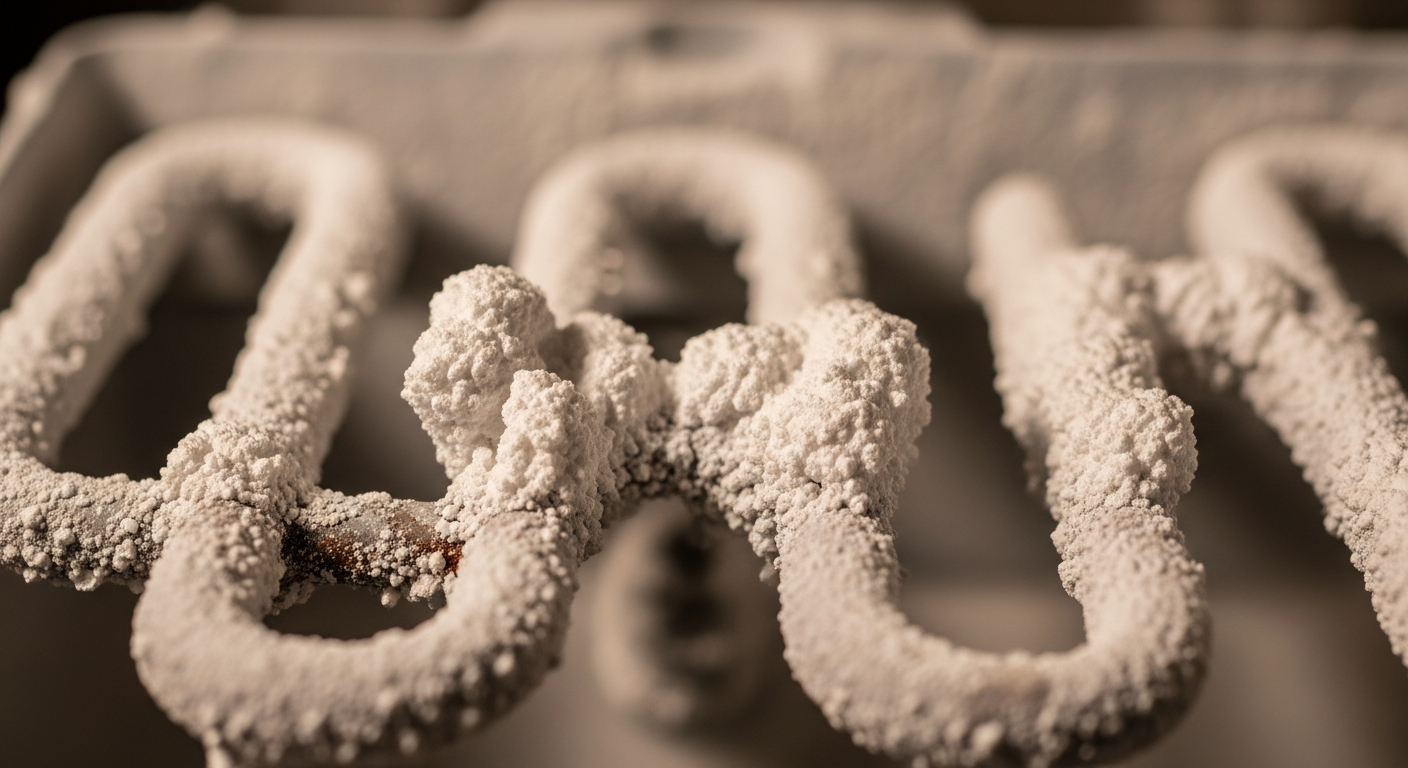
Hard water conditions prevalent throughout much of Abbotsford create mineral buildup that slowly clogs internal components and reduces efficiency over time. Calcium and magnesium deposits accumulate in dishwasher spray arms, washing machine water lines, and water heater elements, gradually restricting water flow and reducing heating efficiency. This buildup happens so slowly that performance degradation often goes unnoticed until blockages become severe enough to cause complete system failure. The mineral deposits also create rough surfaces that trap soap residue and debris, accelerating the clogging process.
Temperature fluctuations between our wet winters and dry summers cause repeated expansion and contraction cycles that stress appliance seals and connections. These thermal cycles gradually loosen water line connections, crack rubber seals, and create microscopic gaps that allow moisture penetration. Gas appliances are particularly susceptible because temperature changes affect both their internal components and external gas line connections. Over several years, these expansion-contraction cycles can create leaks that start as minor efficiency losses but eventually become safety hazards requiring immediate professional attention.
The Mold Factor
Abbotsford’s climate also creates ideal conditions for mold growth when appliances develop even minor moisture problems. Front-loading washing machines commonly develop mold around door seals when homeowners don’t maintain proper drying routines. Dishwashers can harbor mold in filter areas and around door seals, while refrigerators may develop mold in drip pans or around ice makers. This mold growth not only creates health concerns but also indicates underlying moisture problems that can damage surrounding cabinets and flooring.
The True Cost of Ignoring Warning Signs
While understanding how hidden problems develop is important, grasping the real financial impact of ignoring early warning signs helps put preventive maintenance into proper perspective. The costs associated with appliance neglect extend far beyond simple repair bills, creating financial consequences that can affect homeowners for years.
Emergency repair costs typically run 150-300% higher than scheduled maintenance visits because technicians must respond outside normal business hours with limited diagnostic time. A simple dishwasher drain clog that could be prevented with annual cleaning becomes an emergency service call when it causes kitchen flooding during a dinner party. Water heater element replacement that costs $200 during regular maintenance becomes a $600 emergency repair when the unit fails completely on a holiday weekend. These emergency premiums reflect both the urgency of the situation and the additional complexity of dealing with secondary damage caused by delayed repairs.
Secondary damage costs often exceed the original appliance repair expenses by substantial margins, particularly when water damage is involved. A washing machine hose failure that could have been prevented with $50 in preventive maintenance can easily cause $5,000 in flooring replacement, cabinet refinishing, and mold remediation. Refrigerator leaks that develop slowly over months can damage expensive hardwood flooring, requiring professional refinishing or replacement that costs more than buying a new appliance. Insurance companies increasingly scrutinize claims for “preventable” damage, potentially leaving homeowners responsible for restoration costs that proper maintenance would have avoided.
Energy waste from inefficient appliances represents a hidden monthly expense that consumes more power over years without obvious symptoms. A dryer with restricted airflow might use 40% more energy while taking longer to dry clothes, adding $200-300 annually to utility bills. Refrigerators with dirty coils can increase energy consumption by 25% while still maintaining proper temperatures, making the efficiency loss nearly invisible. Over a typical appliance lifespan, these efficiency losses can cost more than major repairs while providing no benefit to homeowners who remain unaware of the problem.
Property Value Impact
Hidden appliance problems can also affect property values when they contribute to visible damage or indicate poor home maintenance to potential buyers. Water stains around appliances, warped flooring, or obvious inefficiency issues signal underlying problems that make buyers cautious. Professional home inspections frequently identify appliance-related damage that becomes negotiation points during property sales, potentially reducing final sale prices by thousands of dollars.
Early Detection: Your Best Defense Against Hidden Problems
Understanding the financial implications of hidden appliance problems naturally leads to exploring practical detection strategies that can save thousands in repair costs and property damage. Early detection doesn’t require technical expertise or expensive equipment – just knowing what to look for and developing simple inspection routines.
Visual inspection techniques can reveal most hidden problems before they cause serious damage when performed regularly around your appliances. Check for water stains or discoloration on floors and walls near washing machines, dishwashers, and refrigerators monthly, as these often indicate slow leaks that haven’t yet caused obvious flooding. Look for rust or corrosion around appliance connections, particularly on gas lines and water supply connections, which can signal developing safety hazards. Examine door seals and gaskets for cracks, tears, or permanent deformation that reduces their effectiveness at preventing moisture escape.
Performance monitoring helps identify efficiency losses before they become obvious enough to impact daily routines significantly. Track energy bills monthly to identify gradual increases that can’t be explained by usage changes or seasonal variations. Notice if appliances are running longer cycles or more frequently than normal, such as refrigerators that seem to cycle constantly or dryers that require extended time to complete loads. Pay attention to unusual sounds, vibrations, or odors that develop gradually, as these often indicate internal components under stress.
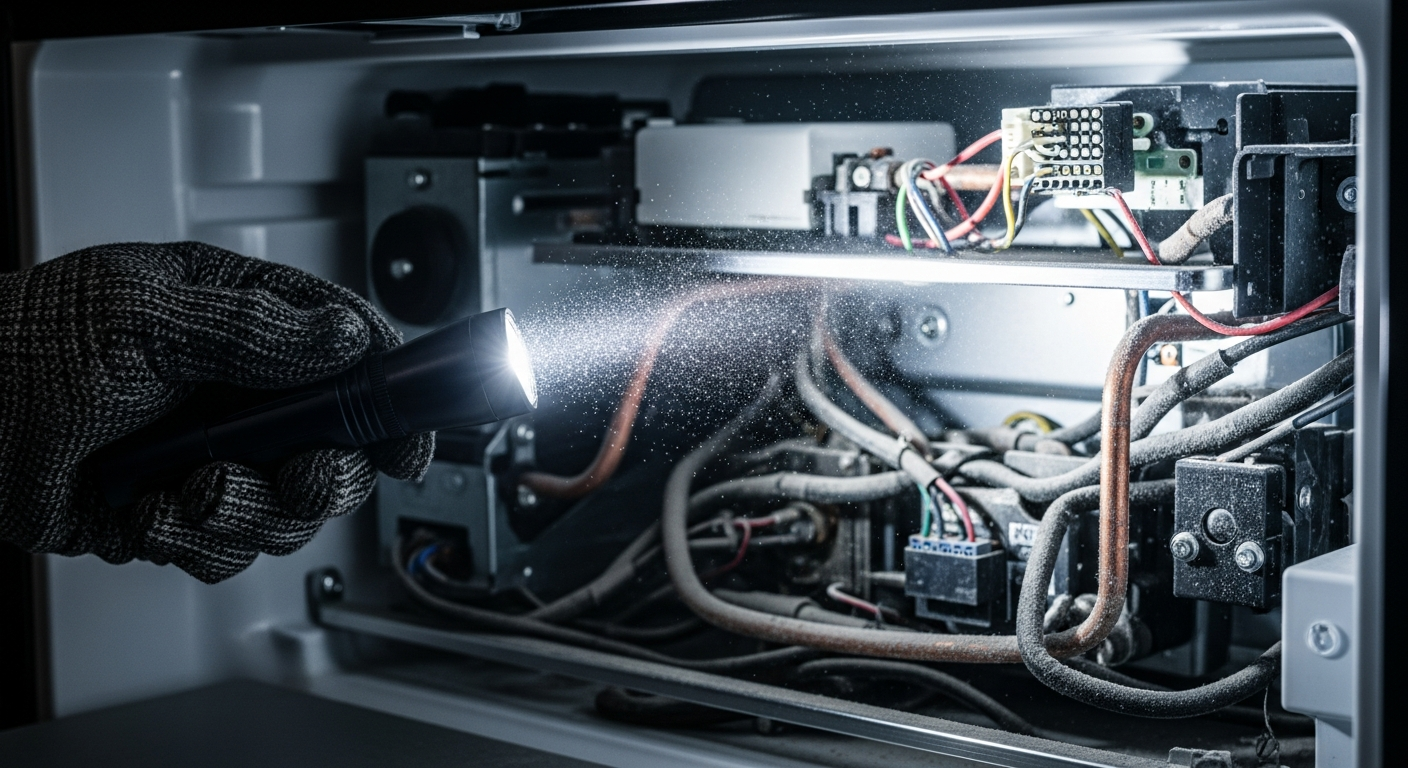
Professional inspection scheduling provides expert evaluation that can catch problems beyond typical homeowner detection capabilities. Annual maintenance visits allow certified technicians to check internal components, test safety systems, and identify wear patterns that predict future failures. Professional appliance repair services can perform detailed diagnostics that reveal hidden problems like electrical component degradation, internal blockages, or calibration issues that affect efficiency without causing obvious symptoms.
Creating an Inspection Schedule
Develop a systematic approach to appliance monitoring that covers all major systems without becoming overwhelming. Monthly visual checks around all major appliances take less than 15 minutes but can catch most water leaks and obvious wear issues. Quarterly performance reviews help identify efficiency changes that develop gradually. Annual professional maintenance ensures that complex internal systems receive expert attention before problems become emergencies.
Frequently Asked Questions
How often should I inspect my appliances for hidden problems?
Monthly visual inspections are sufficient for catching most hidden problems before they cause serious damage. Focus on checking for water stains, unusual sounds, and obvious wear around connections and seals. Professional maintenance should occur annually for major appliances to catch internal problems that aren’t visible during routine inspections.
What are the most expensive hidden appliance problems to repair?
Water damage from hidden leaks represents the costliest hidden appliance problem, often requiring thousands in restoration work that exceeds appliance replacement costs. Electrical component failures in high-end appliances can also be extremely expensive, particularly when they affect control systems or require extensive disassembly for repair.
Can I prevent hidden appliance problems with regular maintenance?
Regular maintenance prevents 70-80% of common hidden appliance problems when performed consistently by qualified technicians. Simple homeowner maintenance like cleaning lint filters, checking hoses, and keeping appliances clean can prevent many issues, but professional service is necessary for internal component inspection and calibration.
Wrapping Up
Hidden appliance problems don’t have to become financial disasters when you know what warning signs to watch for and take preventive action before small issues escalate. Regular inspection routines, professional maintenance, and prompt attention to unusual symptoms can save thousands in repair costs while protecting your Abbotsford home from water damage and safety hazards. When you do discover hidden problems or need expert diagnosis of appliance issues, Abbotsford Appliance Repair Pros provides certified technicians who can identify and resolve problems before they cause expensive damage to your home and appliances.



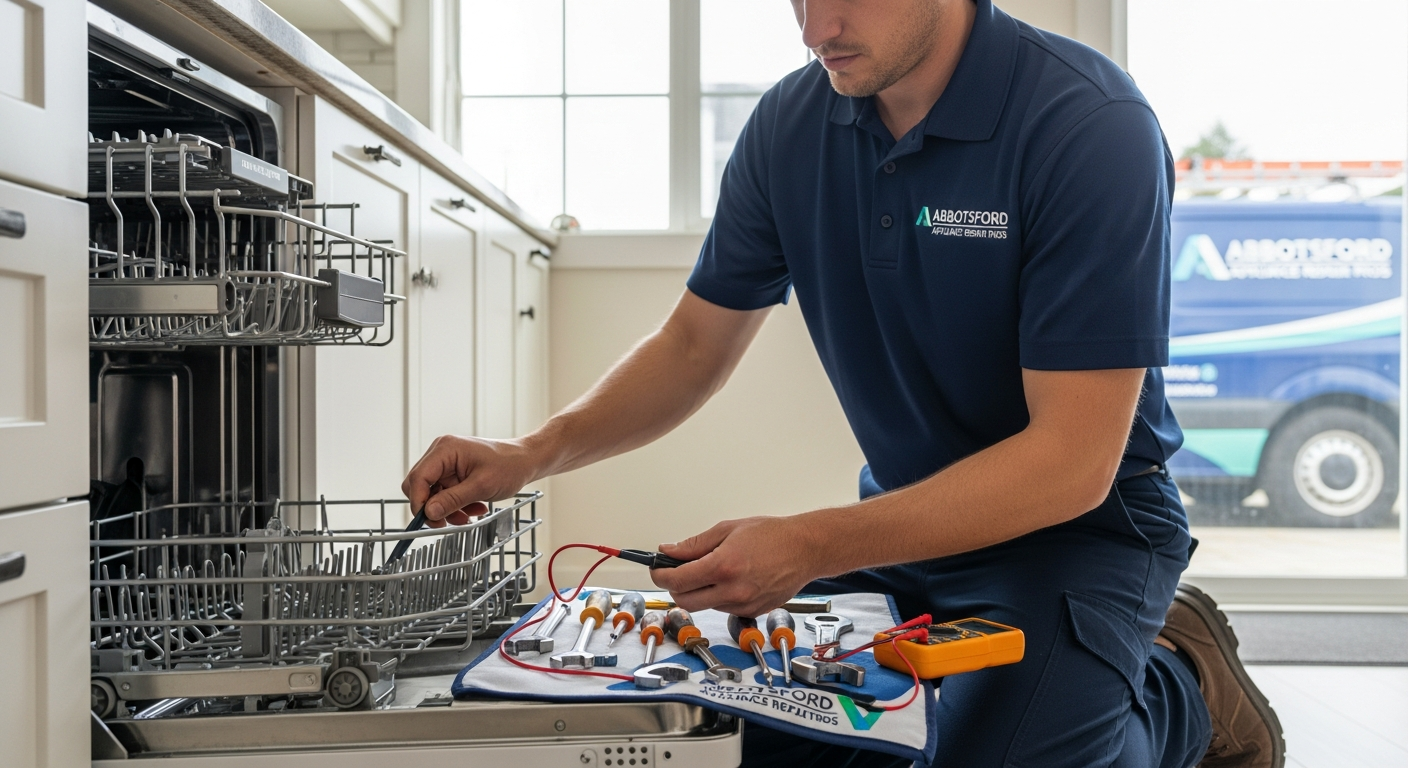
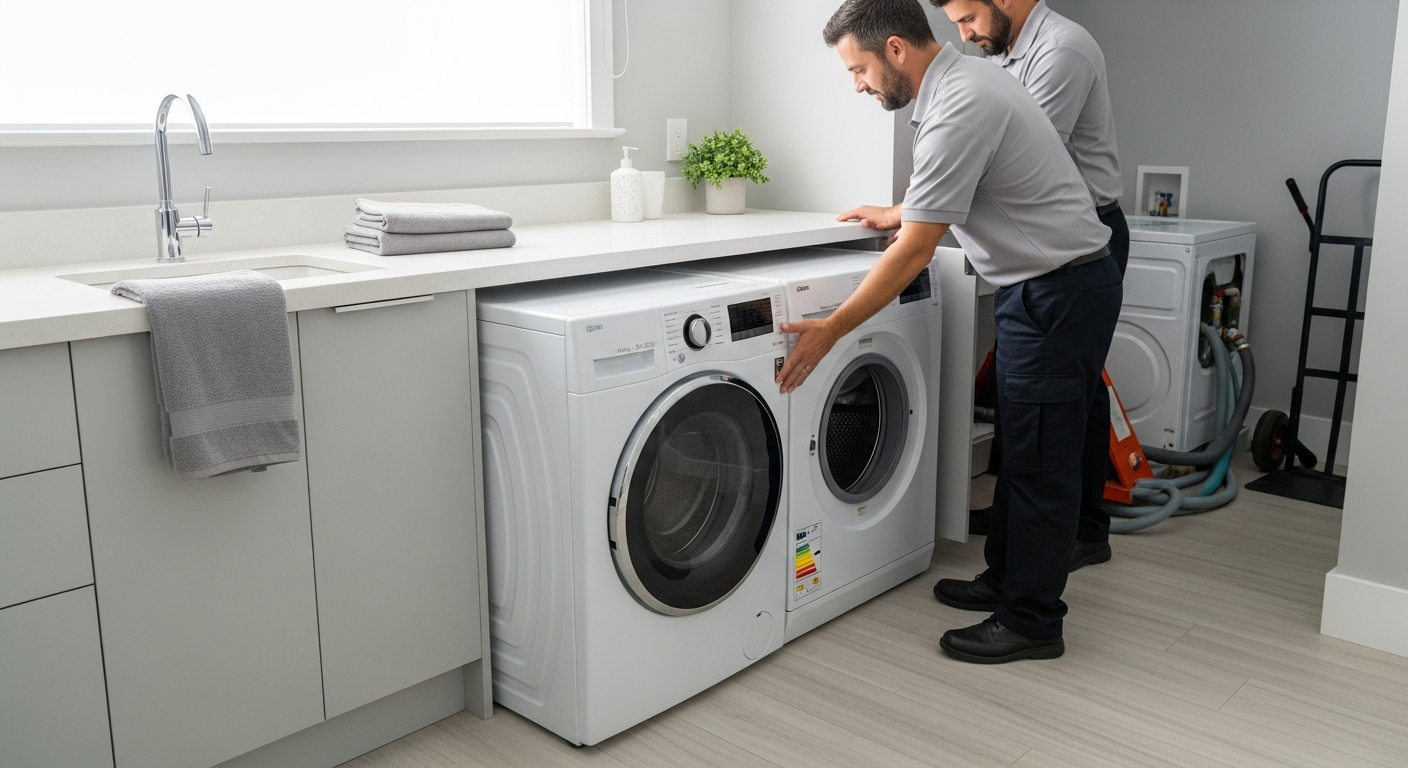

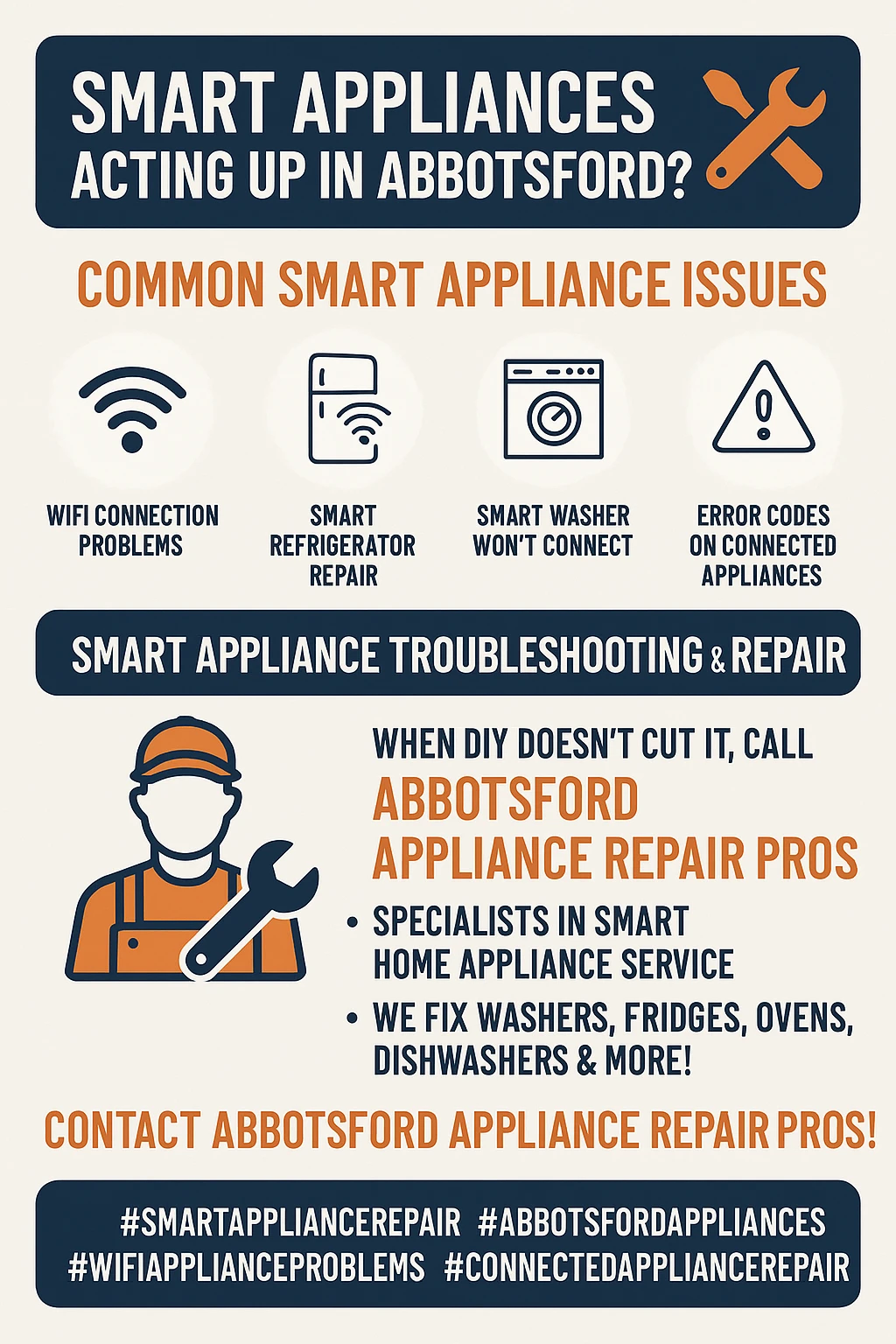
 Smart appliances have completely revolutionized how we manage our homes, especially here in neighborhoods like Clearbrook and West Abbotsford where new construction often comes equipped with the latest connected technology. These aren’t your grandmother’s appliances – they’re essentially computers with washing, cooling, or cooking capabilities attached. The Internet of Things (IoT) connectivity allows these devices to communicate with your smartphone, learn your preferences, and even order groceries when you’re running low on milk. However, this technological sophistication comes with its own set of challenges that traditional repair approaches simply can’t address. When your smart refrigerator starts acting up, it’s not just about checking the compressor anymore – you might be dealing with circuit board malfunctions, software conflicts, or connectivity issues that require a completely different skill set to diagnose and repair. The complexity of these systems means that what appears to be a simple malfunction could actually be a cascading series of software and hardware interactions going haywire. Understanding this interconnected nature is the first step toward effective troubleshooting and knowing when to call in professional help.
  Building on our understanding of smart appliance complexity, let’s dive into the specific issues that tend to crop up most frequently in Abbotsford homes. From my experience helping neighbors in areas like Matsqui Prairie, connectivity problems top the list of smart appliance frustrations. Your appliance might be working perfectly fine mechanically, but if it can’t talk to your home network, you’ll lose all those convenient smart features you paid extra for. The most straightforward fix for connectivity issues often involves checking your Wi-Fi signal strength in the appliance’s location. Smart appliances typically need a strong, stable connection to function properly, and that corner where your washer sits might be a Wi-Fi dead zone. Try moving your router closer or investing in a Wi-Fi extender to boost signal strength in your laundry room or kitchen. Sometimes simply unplugging the appliance for thirty seconds and plugging it back in can resolve temporary connection glitches. Software-related problems are another common headache that can make your smart appliances behave erratically. Just like your smartphone, these devices need regular updates to function optimally and stay secure. Check your appliance’s companion app regularly for firmware updates, and don’t ignore those notification badges – they’re usually trying to tell you something important. Many manufacturers release updates that fix bugs, improve performance, and add new features. Sensor calibration issues can cause your smart appliances to make bizarre decisions, like a dishwasher that thinks your plates are still dirty when they’re spotless, or a dryer that can’t figure out when clothes are actually dry. Most modern appliances have built-in calibration routines you can run through the settings menu or companion app. It’s worth running these diagnostic cycles monthly to keep your appliances running smoothly and efficiently.
 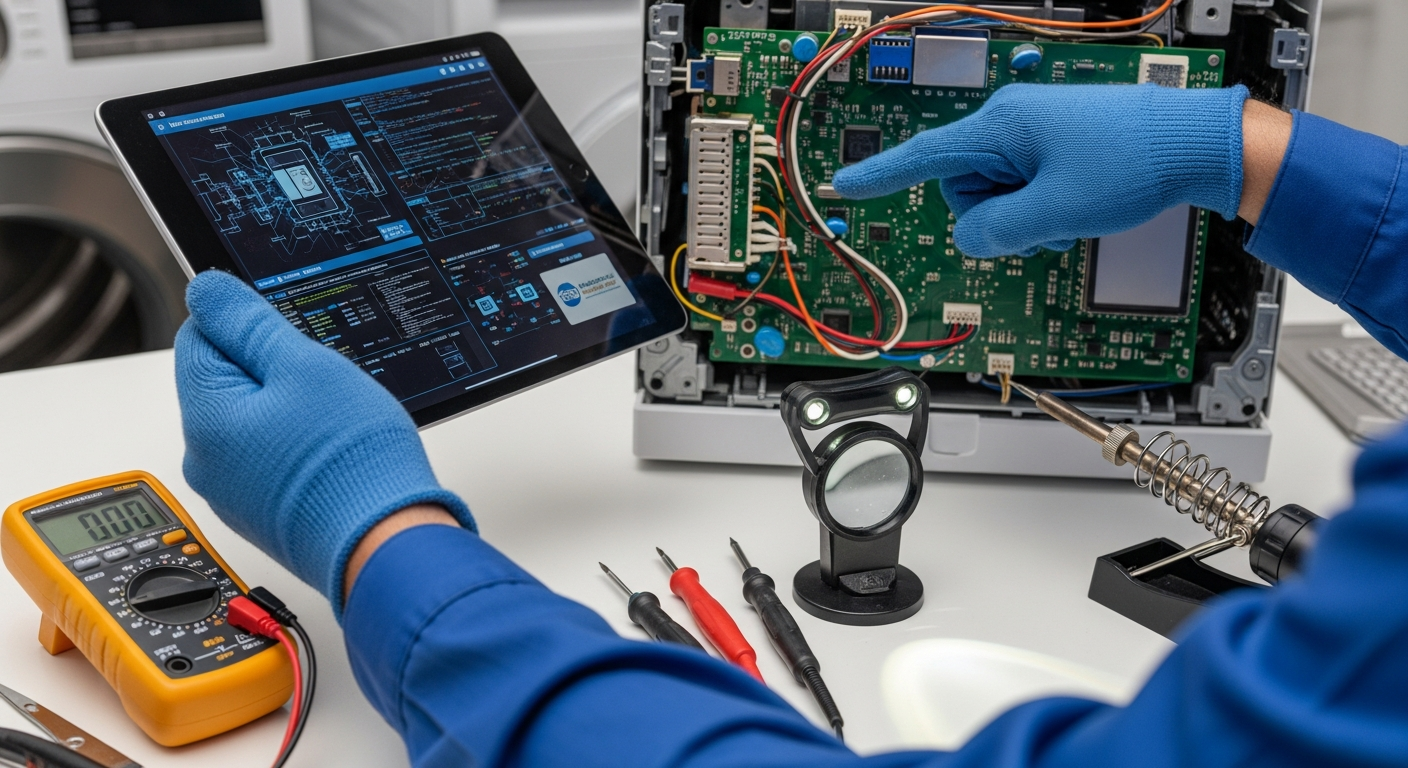 Transitioning from DIY troubleshooting to professional intervention requires recognizing when you’ve reached the limits of home repair. While basic connectivity and software issues are often manageable for tech-savvy homeowners, smart appliances present unique challenges that demand specialized expertise. The integration of complex circuit boards, IoT sensors, and proprietary software systems means that what looks like a simple fix can quickly become a expensive mistake without proper knowledge and tools. Circuit board problems represent one of the most common reasons to call in professional smart appliance repair services. These sophisticated components control everything from temperature regulation to cycle timing, and they’re notoriously sensitive to power surges, moisture, and general wear. Attempting to repair or replace circuit boards without proper training can result in further damage or even safety hazards. Professional technicians have the specialized diagnostic equipment needed to pinpoint exact component failures and access to manufacturer-specific replacement parts. Software conflicts and firmware corruption issues also fall squarely in the professional repair category. While basic updates are user-friendly, deeper software problems often require factory diagnostic tools and specialized knowledge of the appliance’s operating system. Modern smart appliances run on complex embedded systems that can become corrupted due to power outages, failed updates, or compatibility issues with home automation systems. The expertise required for intelligent appliance repair extends far beyond traditional mechanical knowledge. Today’s repair technicians need to understand networking protocols, sensor technology, and software troubleshooting in addition to the mechanical aspects that have always been part of appliance repair. This is why choosing a repair service that specifically advertises smart appliance expertise is crucial for getting your connected devices back up and running properly.






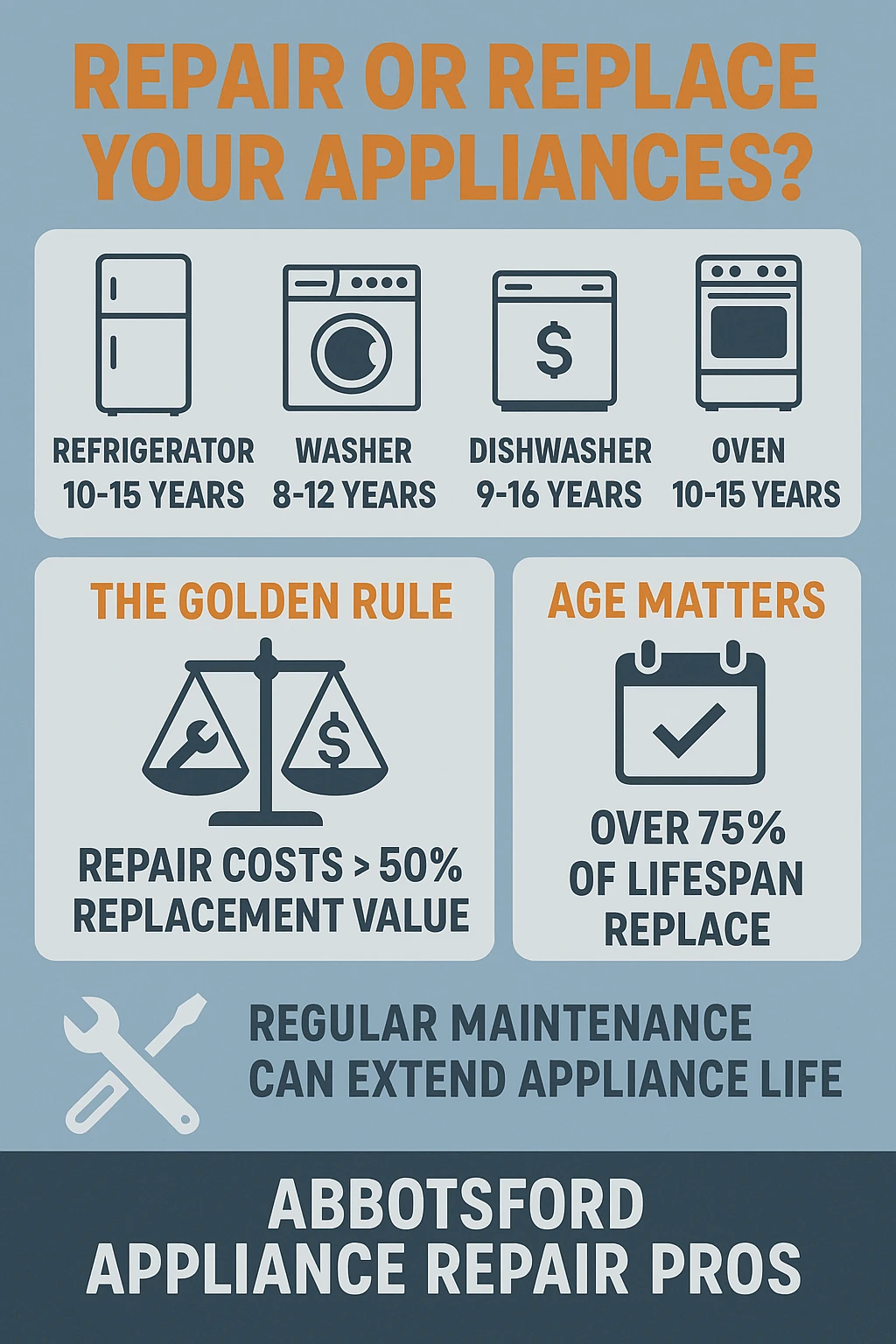



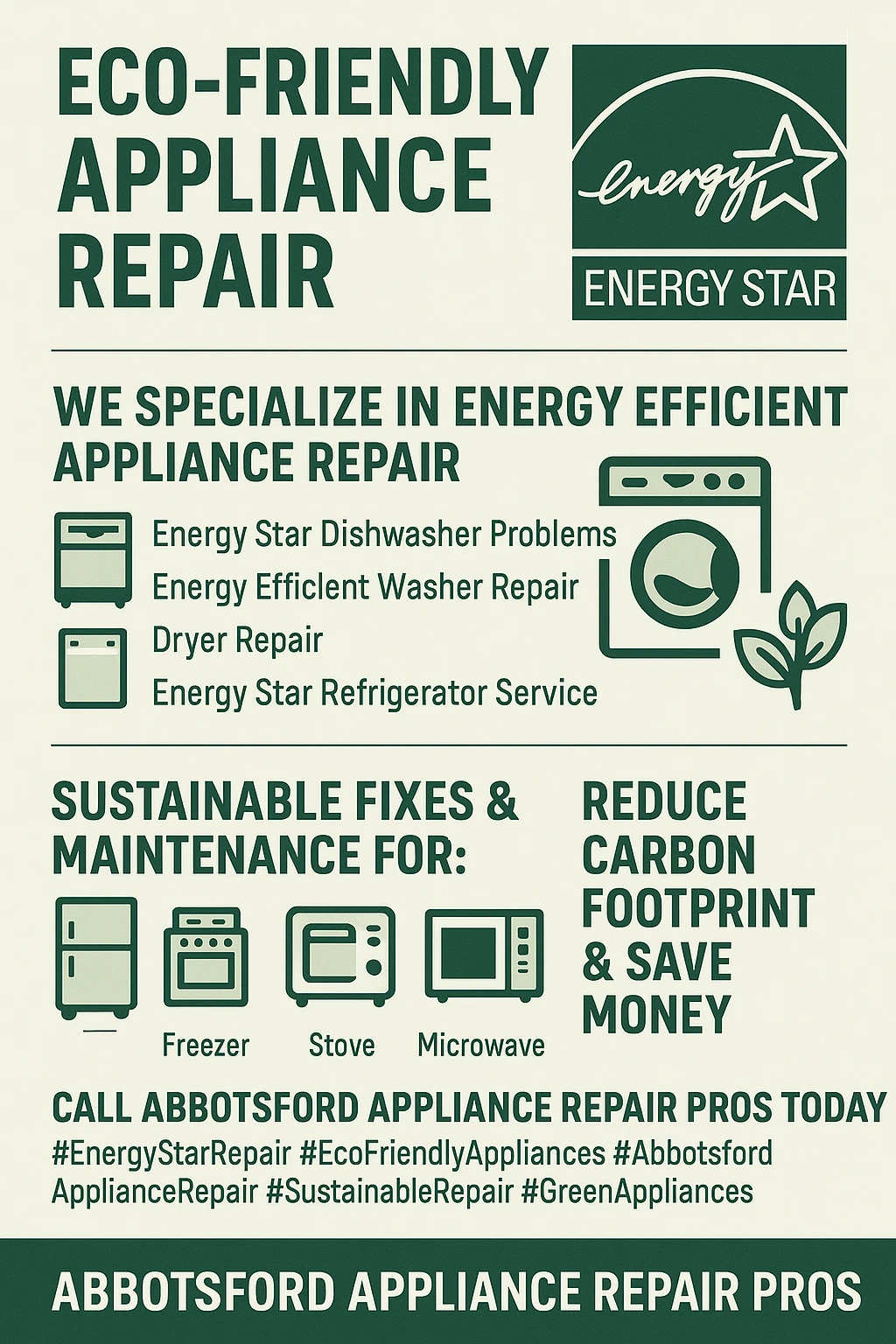
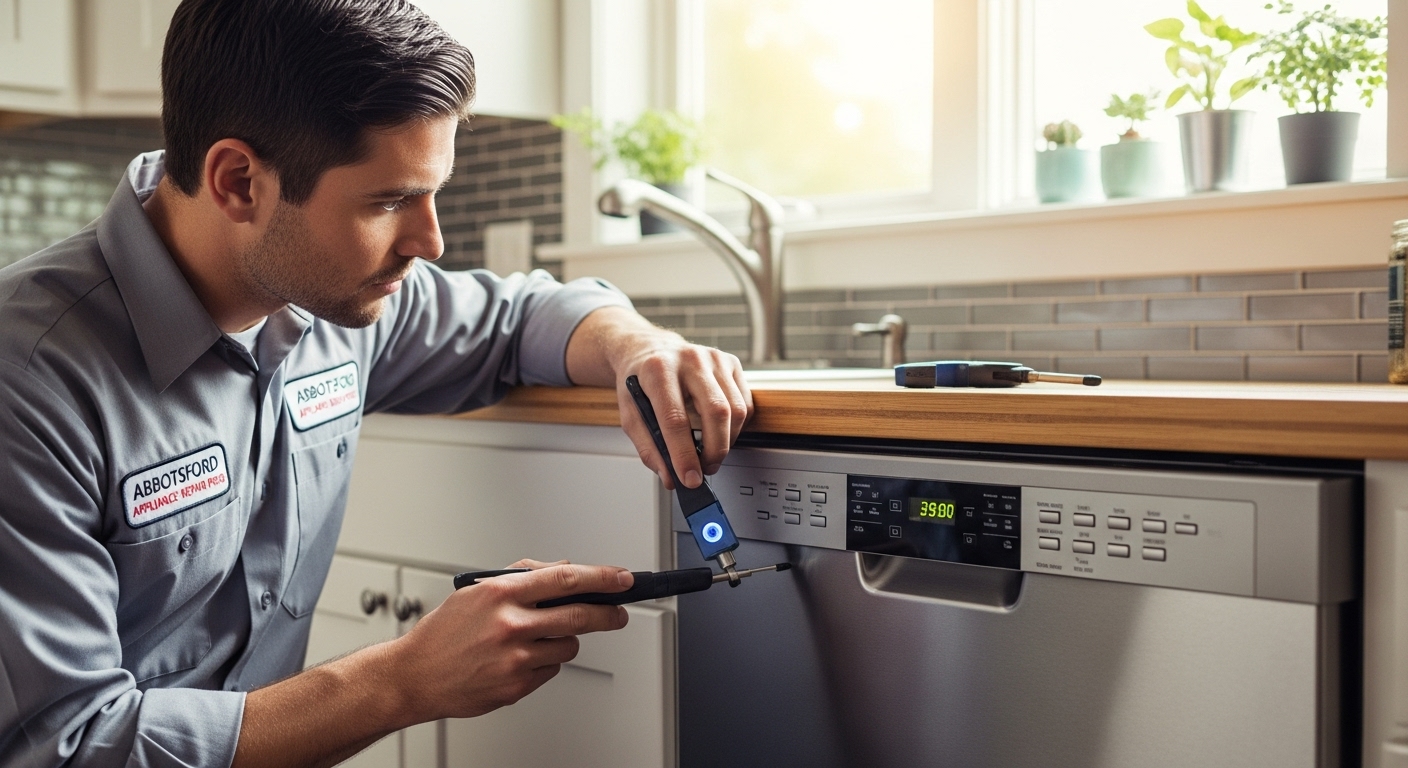 When your Energy Star appliance starts showing signs of wear, the repair vs. replace debate becomes more complex than with standard appliances. These machines were designed with efficiency in mind, which means their components often work harder and more precisely than conventional models. The good news? This precision engineering also means that targeted repairs can restore them to peak performance more effectively. Energy Star appliances typically feature advanced sensors, variable-speed motors, and sophisticated control systems that optimize energy consumption. When one of these components fails, it doesn’t necessarily mean the entire appliance is doomed. In fact, replacing a single faulty sensor or recalibrating the control board can often restore the appliance to its original efficiency ratings. This is particularly important for residents in areas like Clearbrook and Matsqui, where utility costs can really add up over time. The environmental benefits of choosing repair over replacement extend beyond just keeping appliances out of landfills. Manufacturing new appliances requires significant energy and raw materials, even for Energy Star models. By repairing your existing appliance, you’re essentially extending its carbon footprint payback period – the time it takes for the energy savings to offset the environmental cost of manufacturing.
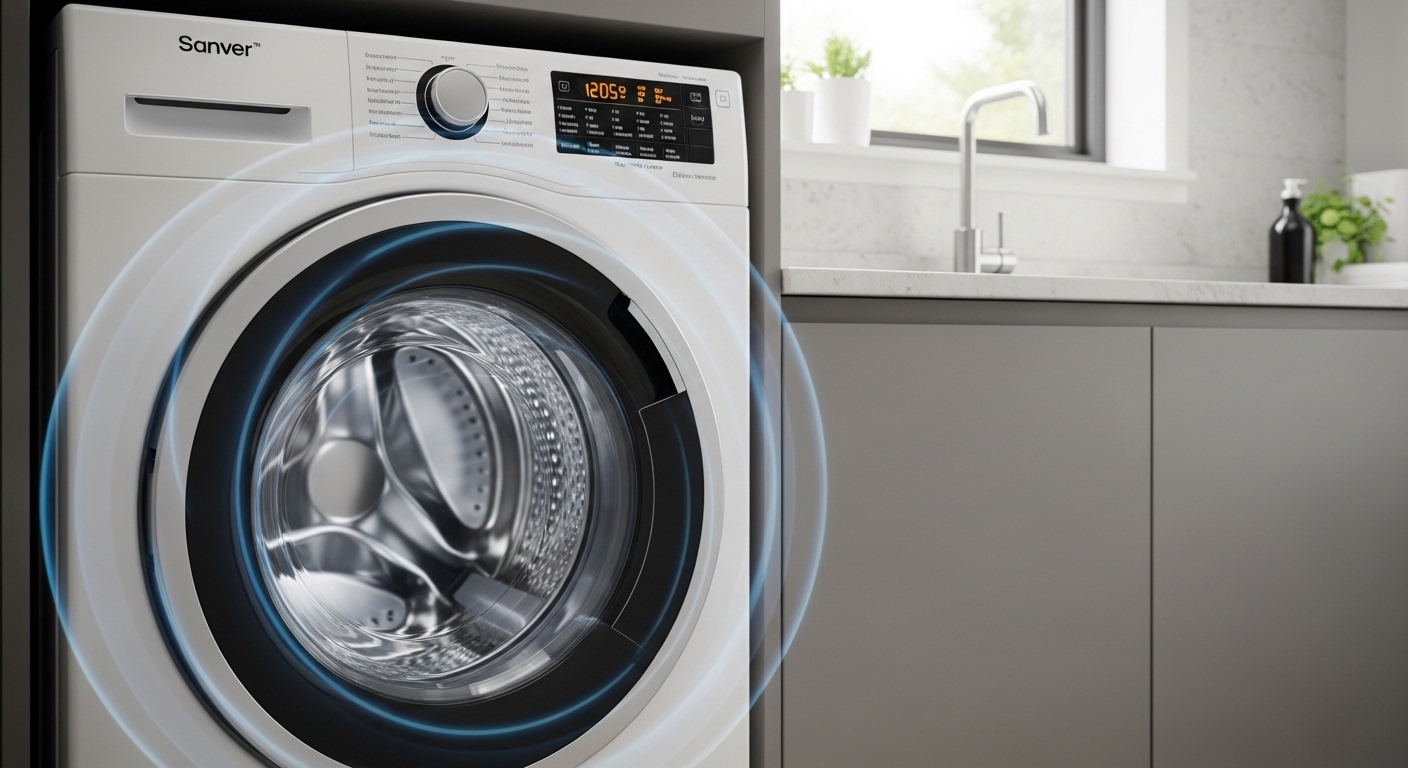
 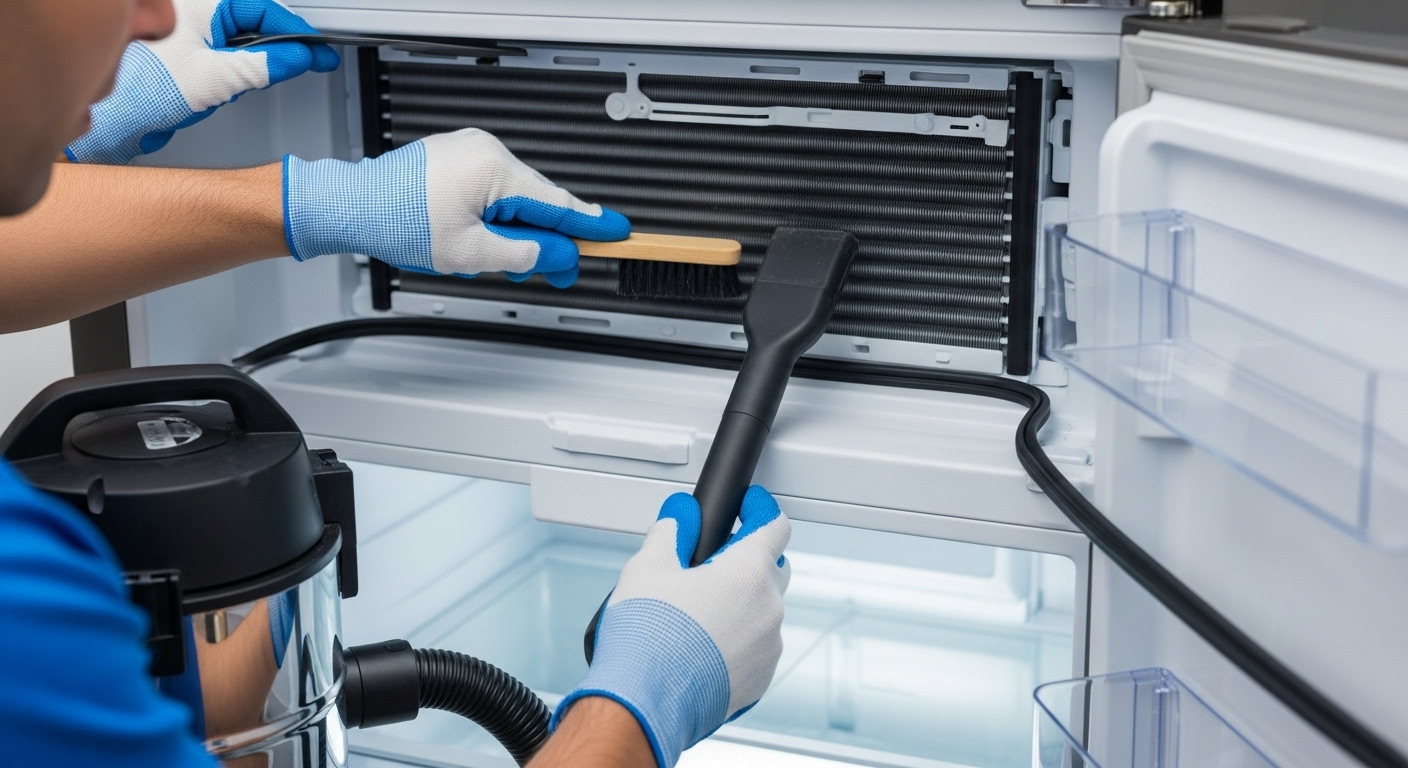 Having worked with countless frustrated homeowners over the years, I’ve noticed that Energy Star appliances tend to develop specific types of problems that are actually quite repairable. The key is understanding what makes these appliances tick and addressing issues before they cascade into major failures. Refrigerators, being the workhorses of our kitchens, often develop efficiency problems related to their advanced defrost systems or variable-speed compressors. These components are designed to minimize energy consumption, but they can become less effective over time due to dust buildup, worn seals, or sensor malfunctions. A professional technician can often restore original efficiency by cleaning internal components, replacing worn door seals, or recalibrating temperature sensors. This is especially crucial for homeowners in neighborhoods like Bradner, where summer heat can put extra strain on cooling systems. Washing machines and dryers present their own unique repair opportunities. Energy Star washers use sophisticated water-level sensors and high-efficiency motors that can malfunction, leading to increased water or energy consumption. Rather than living with higher utility bills or rushing to replace the unit, targeted repairs can often restore optimal performance. Similarly, Energy Star dryers rely on moisture sensors and variable heat settings that may need professional adjustment or component replacement to maintain their efficiency ratings. Dishwashers deserve special mention because they’re often the most overlooked when it comes to efficiency maintenance. These appliances use complex wash-cycle algorithms and precision water heating to minimize both water and energy consumption. When these systems start failing, dishes might come out dirty, leading homeowners to run multiple cycles – completely defeating the energy-saving purpose. Professional repair can often involve cleaning spray arms, replacing water pumps, or updating control software to restore proper function.
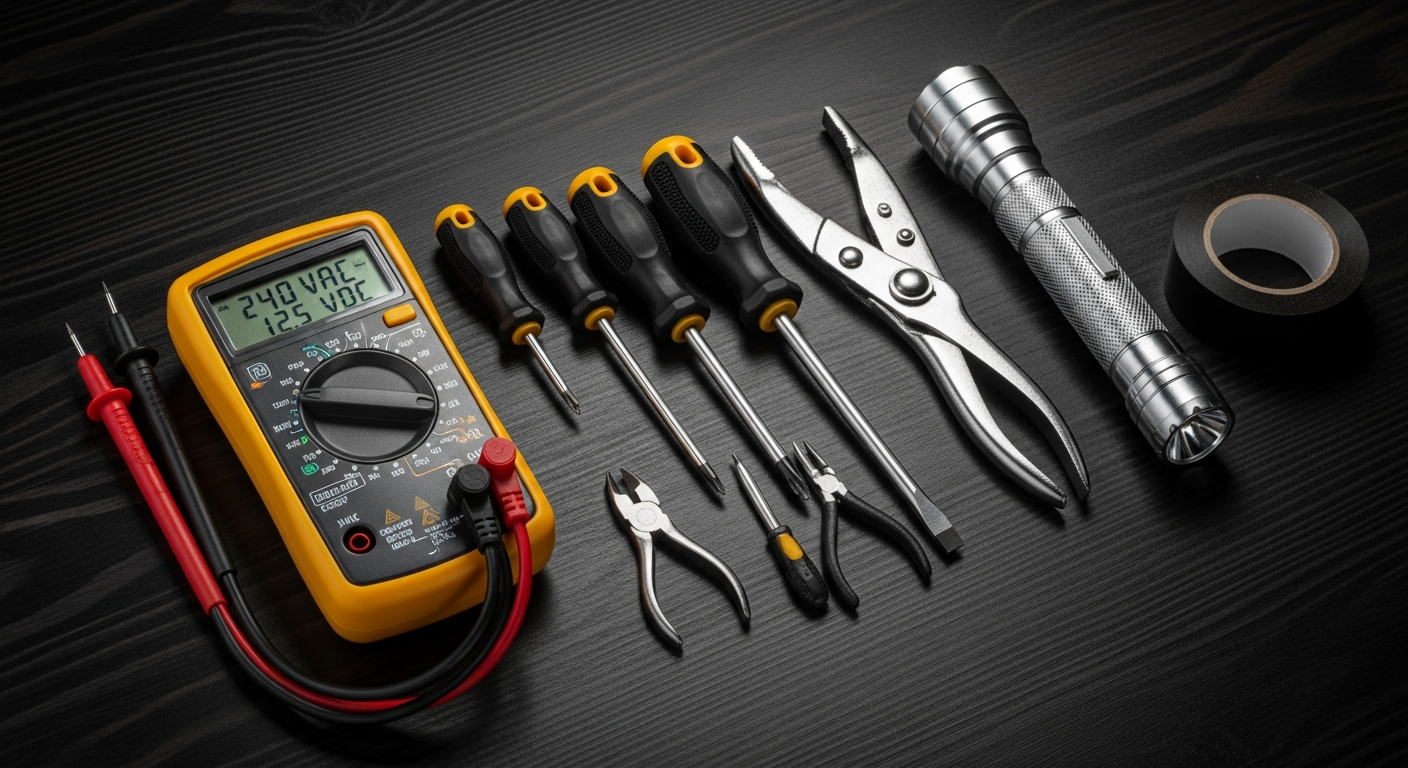
  Here’s where things get really interesting, and honestly, where I wish I’d been smarter during my own appliance adventures. Energy Star appliances are basically the smartphones of the appliance world – they’re packed with technology that requires specialized knowledge to properly diagnose and repair. Attempting DIY fixes on these sophisticated machines can actually reduce their efficiency or void warranties. Professional appliance repair technicians have access to diagnostic tools and training specific to Energy Star models. They can identify issues that aren’t immediately obvious to homeowners, such as control board programming errors, sensor calibration problems, or efficiency-related component wear. This specialized knowledge is particularly valuable because Energy Star appliances often have multiple systems working together to achieve their efficiency ratings. A problem that seems isolated might actually be symptomatic of a larger efficiency issue. The diagnostic process for Energy Star appliances typically involves testing actual energy consumption against manufacturer specifications. This goes beyond simply checking if the appliance “works” – it ensures the appliance is working efficiently. For instance, a refrigerator might be cooling adequately but using 30% more energy than it should due to a faulty defrost timer or dirty condenser coils. Only through professional diagnosis would this inefficiency be identified and corrected. Moreover, professional repair services often have access to genuine Energy Star replacement parts that maintain the appliance’s certification. Using non-certified parts might fix the immediate problem but could compromise the appliance’s energy efficiency and potentially void its Energy Star rating. This is particularly important for homeowners who are conscious about their environmental impact or who might be participating in utility rebate programs that require maintaining Energy Star certification.

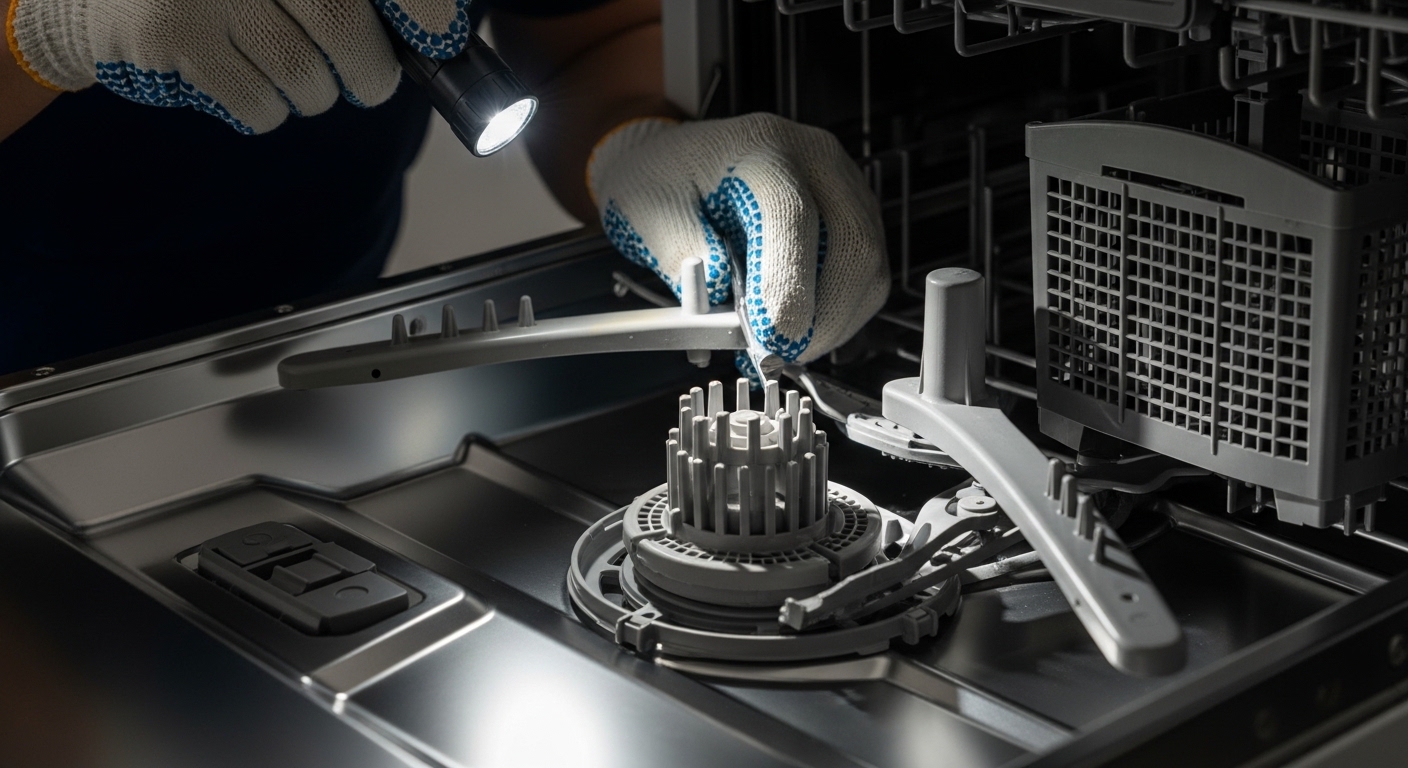
 Moving into your kitchen, these appliances have probably seen more action during winter than a busy restaurant. Between holiday cooking marathons, comfort food experiments, and just the general increase in home cooking when it’s cold outside, your oven, dishwasher, and microwave need some serious attention. The good news is that with the right approach, you can get them looking and performing like new without breaking the bank. Your oven is probably hiding some serious battle scars from winter cooking adventures. If you’ve got a self-clean cycle, spring is the perfect time to use it – just remove the racks first and ensure good ventilation because it can get smoky. For ovens without this feature, a paste made from baking soda and water left overnight works wonders on baked-on carbon buildup. The key is patience – let the paste do the heavy lifting, then scrub with a non-abrasive sponge. Don’t forget about your range hood filters while you’re in deep-cleaning mode. These often-forgotten components have been capturing grease and cooking odors all winter, and grease-laden filters are actually fire hazards. Soaking them in hot water with baking soda and dish soap breaks down the buildup, and you’ll be amazed at how much better your kitchen ventilation works afterward. Your dishwasher might seem self-cleaning, but it needs regular maintenance to perform at its best. Those spray arms can get clogged with food debris, and when they’re blocked, your dishes don’t get properly cleaned. Remove them (they usually twist off easily) and use a toothbrush to clear blockages. Run a maintenance cycle with white vinegar to break down detergent residue and mineral deposits – it’s like giving your dishwasher a spa day.
  Your laundry room has been working overtime during those cozy Abbotsford winter months, and it’s time to show these hardworking appliances some love. Between heavier fabrics, more frequent washing, and the general increase in indoor living, your washer and dryer need attention beyond just emptying the lint trap. This is where a thorough deep clean can prevent issues and extend the life of your appliances significantly. Starting with your dryer, that lint trap is just the tip of the iceberg. The real action happens in the exhaust vent, where lint builds up over time and creates a serious fire hazard while making your dryer work harder than it should. Disconnect the dryer and vacuum out the vent thoroughly – you’ll probably be shocked at how much lint has accumulated. While you’re at it, check the outdoor vent cover to make sure it opens and closes properly and isn’t blocked by debris. Your washing machine needs attention too, especially if you live in areas like Clearbrook or West Abbotsford where hard water can cause mineral buildup. Run an empty cycle with white vinegar to break down soap residue and mineral deposits, then follow up with a baking soda cycle to eliminate any lingering odors. Don’t forget to wipe down the rubber seal around the door (if you have a front-loader) because this area is prone to mold and mildew buildup. Check your washing machine hoses while you’re in maintenance mode. These rubber connections can develop cracks or weak spots over time, and a burst hose can cause thousands of dollars in water damage. Look for any signs of bulging, cracking, or mineral deposits, and replace them if they’re more than five years old. It’s a small investment that can prevent a major disaster, especially in neighborhoods like
 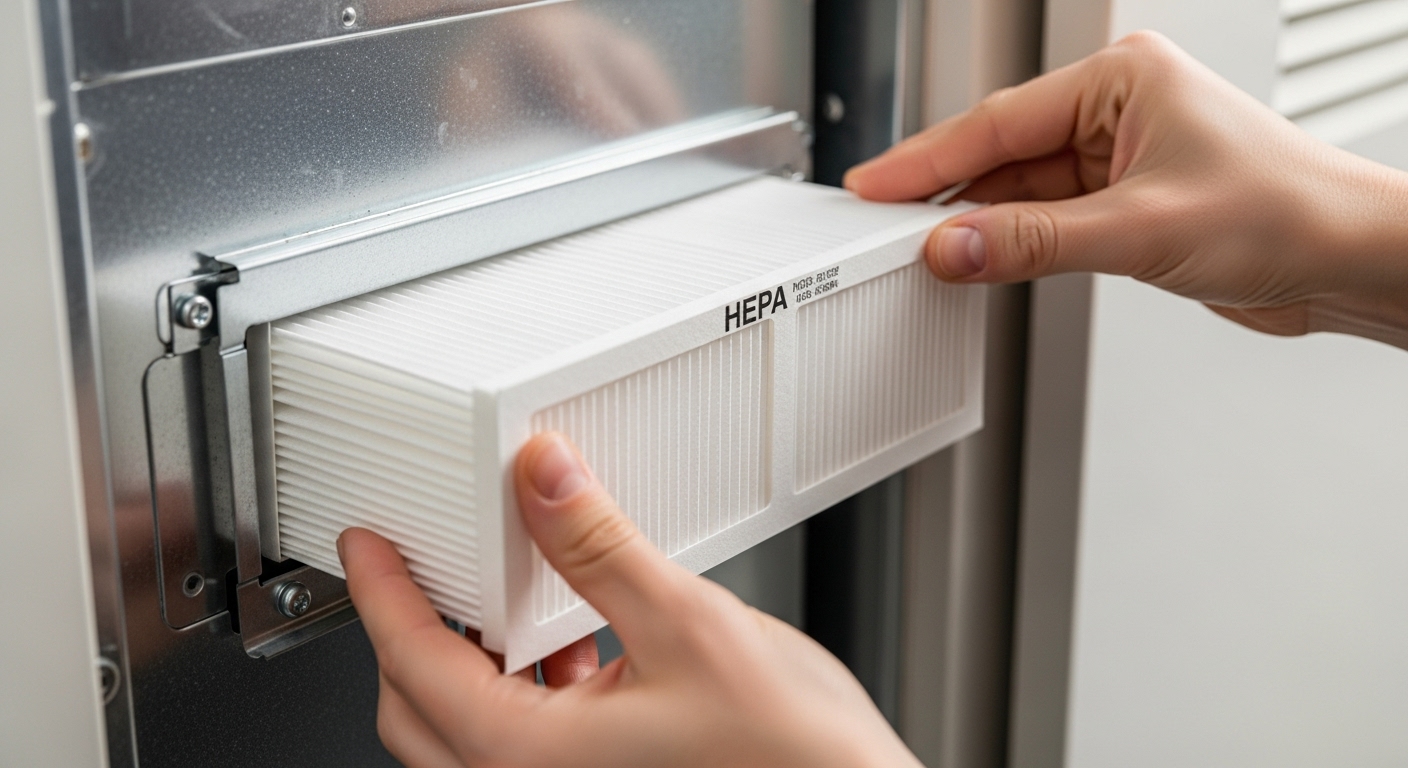 With Abbotsford’s spring bringing fresh air and unfortunately, plenty of pollen, your HVAC system needs special attention to handle the seasonal transition. Winter has left your system with accumulated dust and debris, and now it needs to gear up for spring allergens that can really challenge your indoor air quality. This is where a comprehensive HVAC cleaning becomes crucial for both system efficiency and family health. Beyond just changing filters, your HVAC system benefits from a thorough cleaning of vents, ducts, and the unit itself. Remove vent covers and wash them in soapy water while you vacuum out the visible ductwork. This simple step can improve airflow significantly and reduce the amount of dust circulating through your home. If you live in newer developments like Clayburn Village, where homes are built more tightly, proper ventilation becomes even more critical. Consider upgrading to smart thermostats and air quality monitors that can help you track when your system needs attention. These devices can alert you to filter changes, unusual energy usage, or air quality issues before they become problems. Many utility companies in Abbotsford offer rebates for energy-efficient upgrades, making this an excellent time to modernize your HVAC system. Don’t overlook your heat pump if you have one – these systems need regular coil cleaning and refrigerant level checks to maintain efficiency. Spring is an ideal time for a professional tune-up because you’re not relying on the system heavily for heating or cooling. A well-maintained heat pump can save you significant money on energy bills and provide better comfort year-round.

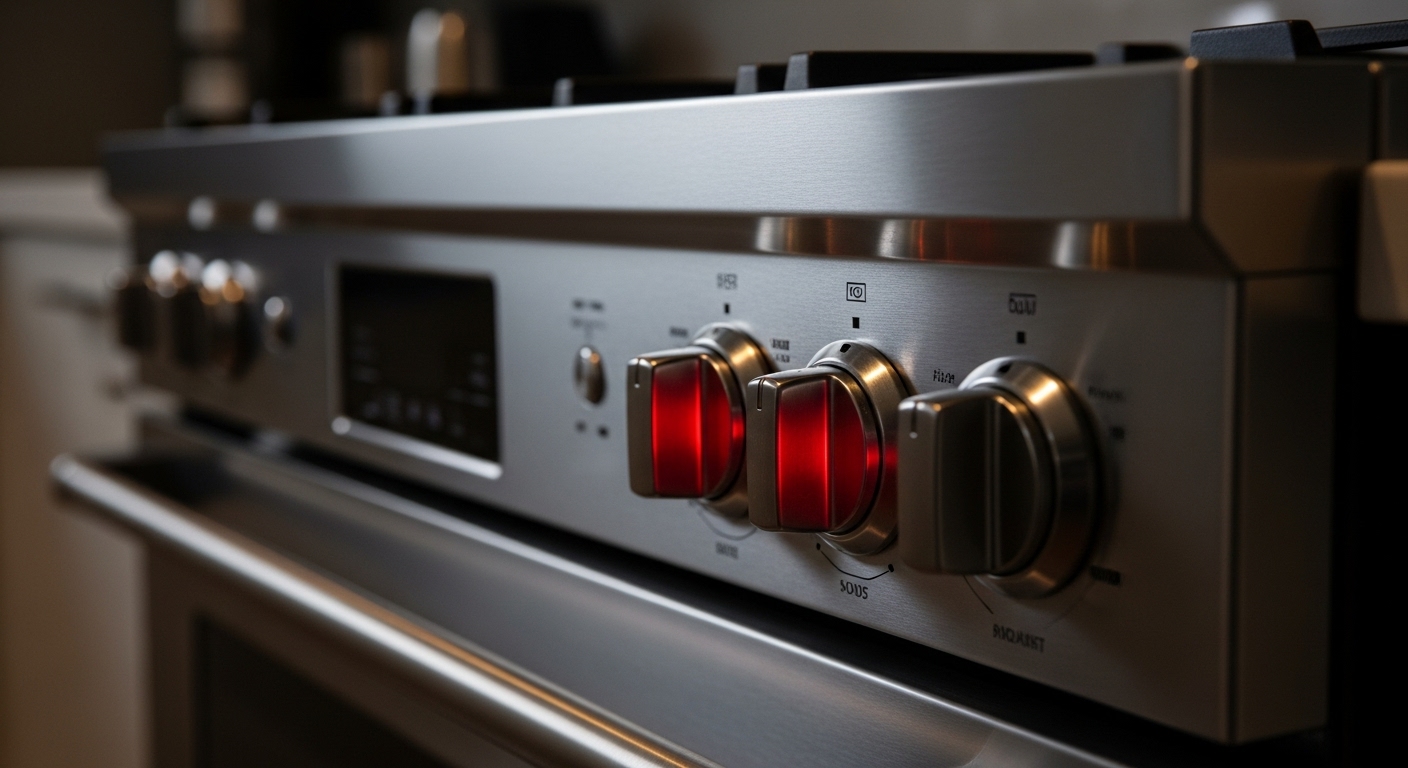
 Dishwashers typically have this information on the door frame or inside the door itself. Refrigerators usually display their identification on a sticker inside the fresh food compartment or on the back panel.
  Taking advantage of professional safety inspection services adds an extra layer of protection beyond basic recall checking. While individual homeowners can perform basic safety assessments, trained technicians possess specialized knowledge and tools that can identify potential hazards that might not be obvious to the average person. This becomes particularly important for older appliances or homes with complex electrical systems. Professional appliance safety inspections can identify issues that extend beyond manufacturer recalls. Technicians look for problems like improper installations, wear-related safety concerns, ventilation issues, and electrical hazards that develop over time. These inspections often reveal problems that could lead to fires, carbon monoxide leaks, or electrical shocks – issues that might not be covered by standard manufacturer recalls but are equally dangerous. Many local utility companies and safety organizations offer free or low-cost appliance safety inspections as part of their community outreach programs. These services typically include checking gas connections, electrical systems, ventilation adequacy, and overall appliance condition. Some programs specifically target older appliances or homes in certain neighborhoods, making professional safety assessments accessible to homeowners who might not otherwise afford them. The timing of professional inspections matters significantly for maximizing safety benefits. Schedule inspections during appliance installation, after major electrical work, following severe weather events, or when you notice any unusual sounds, smells, or performance changes. Regular inspections every few years can catch developing problems before they become serious safety hazards, potentially preventing fires or other dangerous situations.